



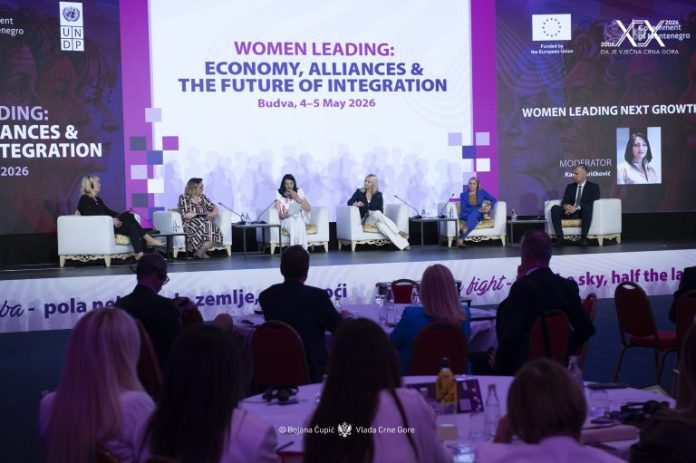

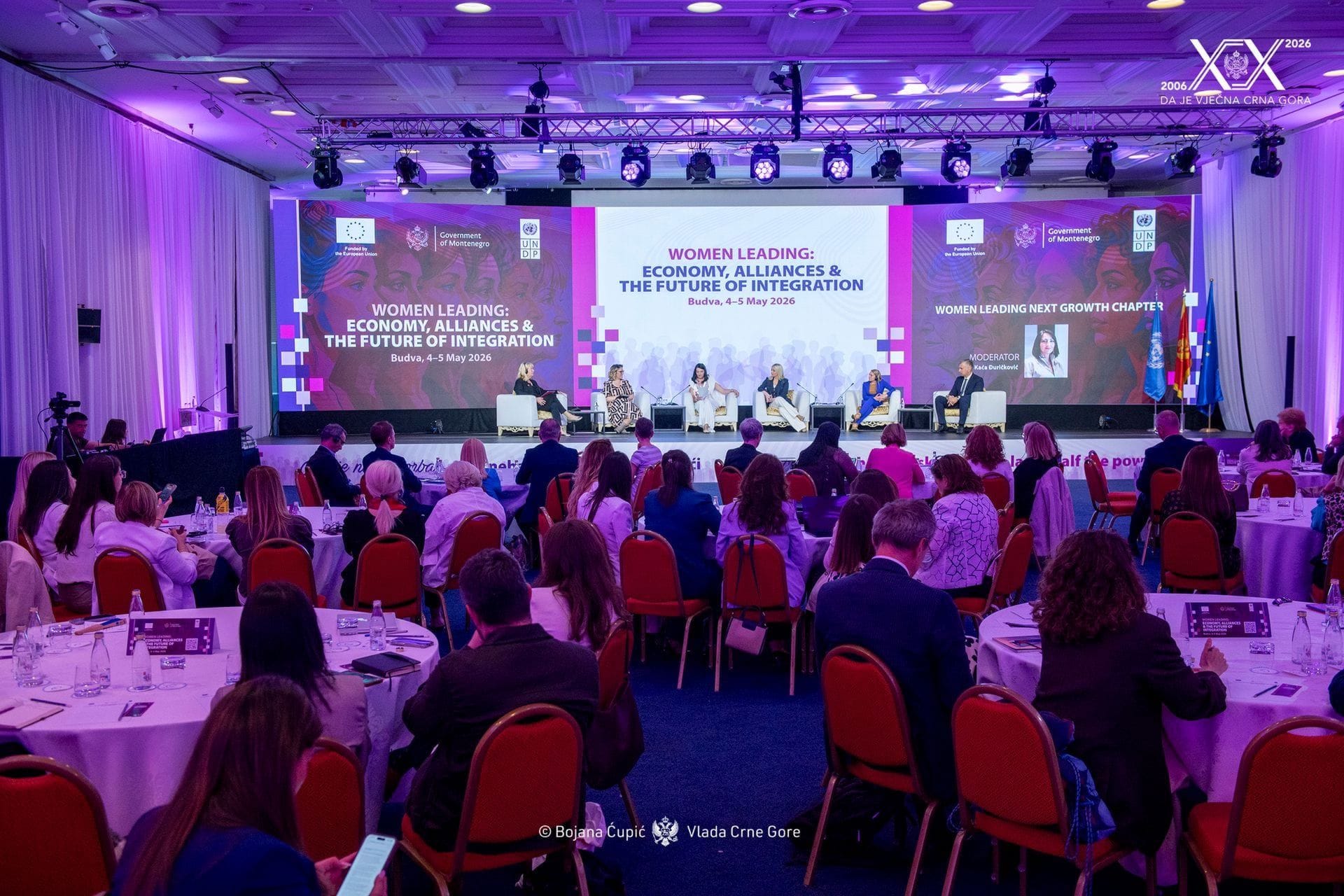
Gender equality must be an integral part of economic reforms, the labour market, and the process of European integration, because without the full participation of women there can be no sustainable development, more competitive economy, or more just society, it was stated today at the opening of the regional dialogue “Women Leading: Economy, Alliances and the Future of Integration,” held in Budva.
The two-day event is jointly organized by the Ministry of European Affairs of Montenegro and the United Nations Development Programme (UNDP), with financial support from the European Union. The dialogue brought together representatives of governments, international organizations, the business and academic communities, as well as civil society from the region and Europe.
Data presented at the event show that women make up nearly two-thirds of the inactive and unemployed working-age population in the region, while one in three businesses led by women cites limited access to finance as a barrier.
Opening the dialogue, Minister of European Affairs Maida Gorčević stated that the goal is not only formal alignment with European standards in the area of gender equality, but also for Montenegro to become a regional leader in how those standards are implemented:

“Women in Montenegro and the region are already demonstrating leadership in institutions, the economy, and society. It is up to us to ensure that the system finally catches up with that potential. If we want to accelerate the path toward the EU, then we must also be ready to accelerate changes in power relations in our society,” said Gorčević.
UNDP Resident Representative in Montenegro Ekaterina Paniklova emphasized that joint efforts are focused on removing barriers that limit women’s participation in the economy:
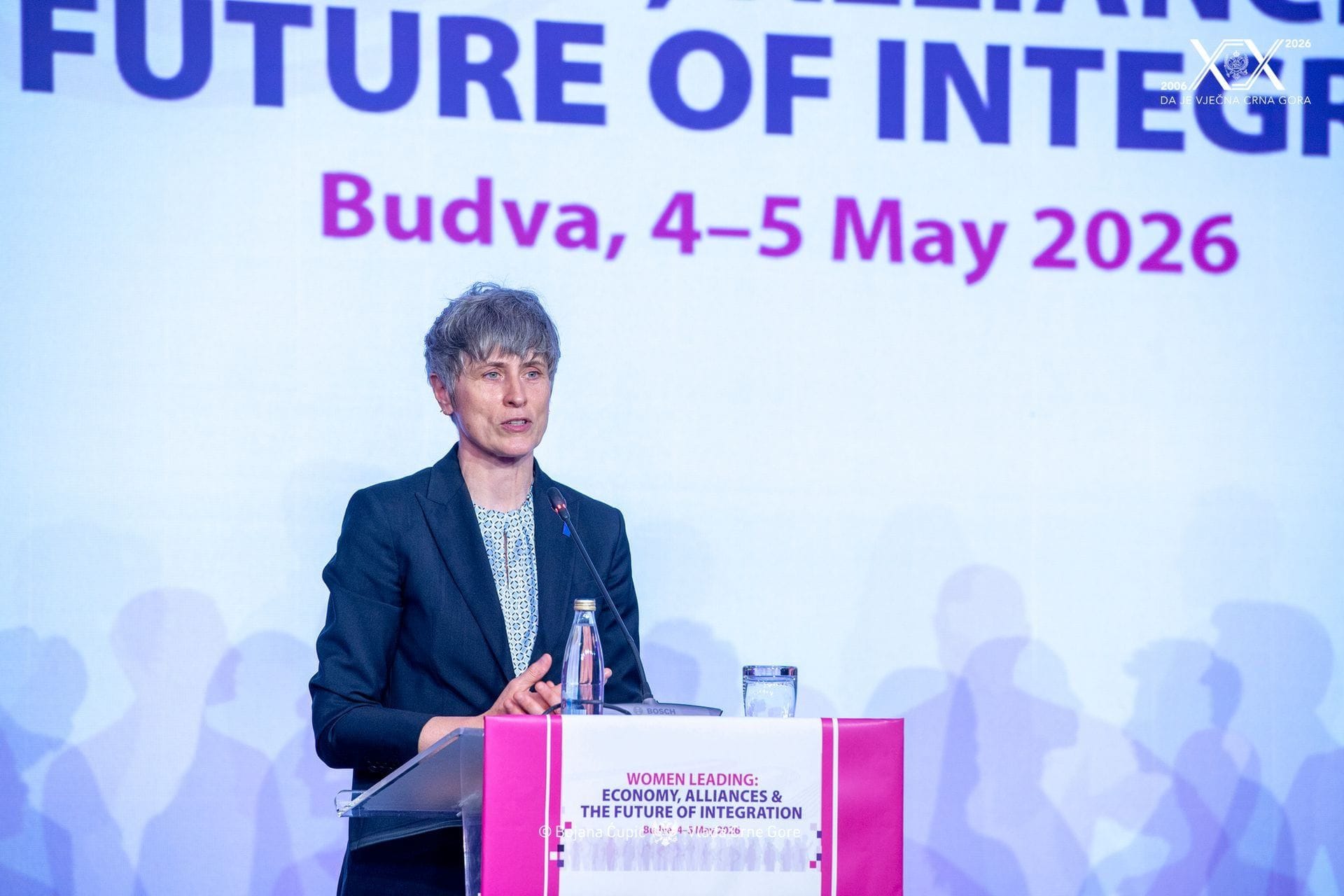
“Our shared focus is on practical solutions — improving access to finance, strengthening childcare services, as well as creating opportunities in the digital and green sectors. Women still make up nearly two-thirds of the inactive and unemployed working-age population, and increasing their participation is a direct way to strengthen the economy and deliver concrete results for citizens and businesses,” said Paniklova.
Deputy Head of the Cooperation Section of the Delegation of the European Union in Montenegro, Liselote Isakson, assessed that the European Union, through its policies, continues to strengthen its response to challenges in the field of gender equality:

“The new EU Gender Equality Strategy is a response to the growing global backlash on this issue and confirms that the European Union is not backing down, but is further strengthening its action in promoting women’s rights and gender equality,” said Isakson.
At the opening panel dedicated to economic growth and reforms, it was emphasized that political leadership has a key responsibility to ensure equal participation of women as decision-makers and economic actors, in line with reforms within the European Union accession process and the Growth Plan for the Western Balkans.
On that occasion, State Secretary at the Ministry of Foreign and European Affairs of Slovenia, Neva Grašič, stated:
“Slovenia has shown that even a small country can have a strong impact when it consistently builds women’s leadership, alliances, and joint platforms, and when it actively engages in promoting the values and policies of gender equality at the European and global level.”
Ambassador of Bosnia and Herzegovina to Montenegro, Branimir Jukić, said: “Greater participation of women has been one of the key drivers of social progress and development. Further economic growth and overall progress depend on the full inclusion of the other half of society in development processes.”
During the panel dedicated to the economy, competitiveness, and the labour market, it was assessed that gender equality is not only a matter of human rights, but also a matter of economic development.
Minister of Labour, Employment and Social Dialogue Naida Nišić stated:
“The new Labour Law and the reform processes we are implementing are aimed at creating a labour market that promotes women’s economic independence, equal opportunities for advancement, and decent work. Our priority is for gender equality standards to become the rule, not the exception, in the Montenegrin economy.”
Danijela Gačević, Head of the Programme Department at the Regional Cooperation Council, pointed out that unlocking the potential of women’s entrepreneurship is not only a matter of equality, but also of economic logic:
“If strategically developed at the regional level, women’s entrepreneurship can become a strong driver of growth, resilience, and regional connectivity.”
Panel participants also noted that women still bear a disproportionate burden of unpaid household work, which affects their economic activity, career advancement, and access to leadership positions.
At the panel on system reform and equal opportunities, it was concluded that education, employment, and skills development policies must respond to the needs of the modern labour market and enable women equal access to new economic opportunities, especially in the areas of digitalization, innovation, and the green transition.
Only 31 percent of citizens in the region say they would encourage a female family member to pursue STEM fields, while one in three respondents believes that women in these fields progress more slowly and have lower earnings.
Minister of Human and Minority Rights Fatmir Gjeka stated that without strong institutional mechanisms, there can be no lasting change:
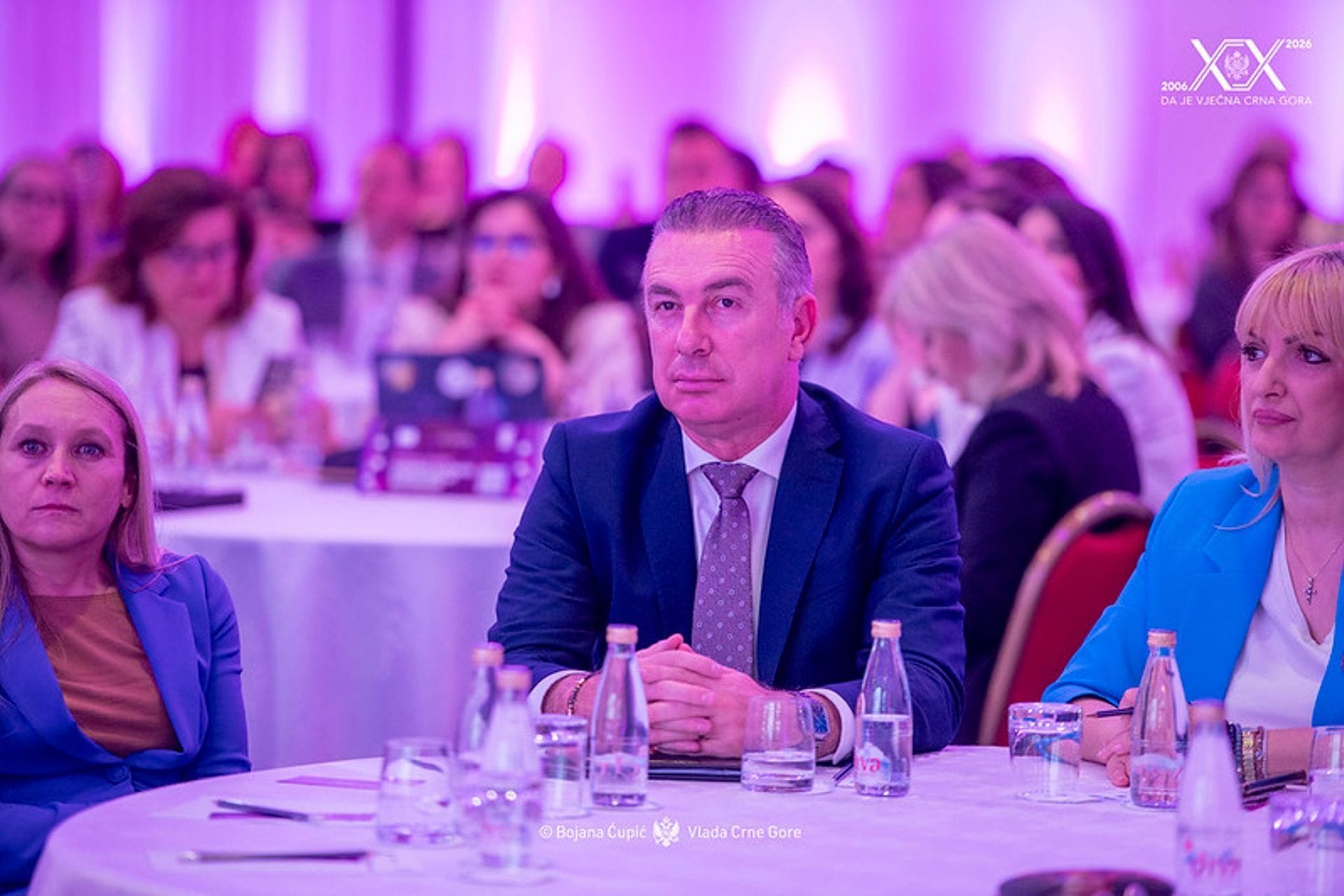
“If we want gender equality to become a reality in the labour market, a new law, gender mainstreaming of legislation, and stronger mechanisms are the foundation of that change,” said Gjeka.
At the final panel of the first day, dedicated to women’s entrepreneurship, participants discussed barriers and opportunities for developing women-led businesses, including access to finance, markets, and innovation ecosystems.
The regional dialogue continues tomorrow with discussions on institutional accountability, regional alliances, and intergenerational leadership, with the message that sustainable change requires joint action by institutions, the economy, and society as a whole.
The dialogue is organized as part of the regional programme “EU4GenderEquality,” funded by the European Commission and jointly implemented by UNDP and UN Women.
MINISTRY OF EUROPEAN AFFAIRS / UNITED NATIONS DEVELOPMENT PROGRAMME IN MONTENEGRO (UNDP)