



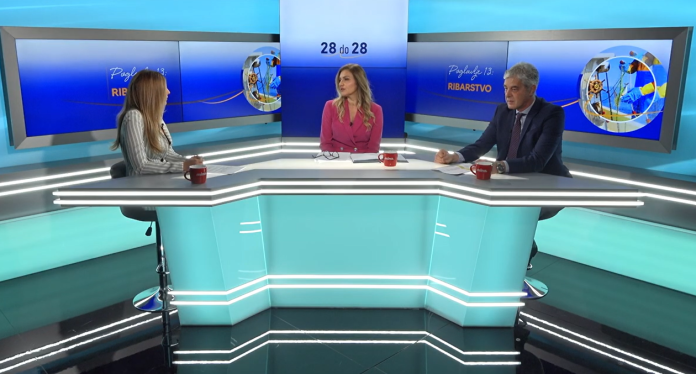

The temporary closure of Chapter 13 – Fisheries, expected in the coming days, will trigger investments, announced the head of the negotiating working group, Katarina Burzanović. She added that numerous opportunities will open for fleet modernization and infrastructure investments.
“Temporary closure means that investments will not stop, but will only start. In terms of benefits, the Fisheries and Maritime Fund offers significant opportunities for fleet modernization and equipment procurement,” Burzanović said in an interview with Mina-business agency.
Speaking about the benefits for Montenegrin fishermen after the temporary closure of Chapter 13, she said they will have access to substantial subsidies of 50 to 90 percent for land-based logistics, infrastructure they lack, as well as market access and higher prices.
“I truly believe that better days are coming for Montenegrin fisheries with Montenegro’s entry into the European Union (EU),” Burzanović added.
She explained that Montenegro has met both final benchmarks by changing its legislative framework and adopting key laws.
“Montenegro was also required to strengthen its administrative capacities, which was planned through the Action Plan adopted by the Government in July. So, we have fulfilled all that was asked of us, and we expect to be recognized and formally closed in December,” Burzanović added.
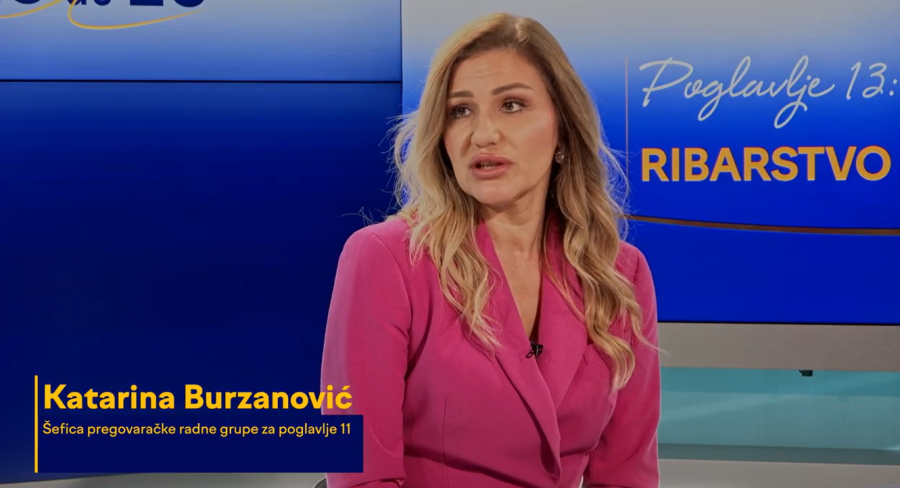
Commenting on claims by the National Association of Fish Producers that the situation in Montenegrin fisheries is alarming and would worsen with EU membership, she said she disagrees with that statement.
“Obviously, there are certain problems, and the state must make a step forward and address issues that have burdened the fisheries sector for decades. These are current problems related to fuel prices and mooring. They seek mooring security and a reduction of VAT on imported fishing equipment,” Burzanović said, adding that these are issues the Ministry is addressing.
According to her, they have had intensive cooperation with fishermen, who are fully involved in the decision-making process.
Croatian fisheries expert Mario Rogošić noted that Montenegro already had a relatively good legal framework regarding fisheries, largely aligned with European regulations, and that the new law adopted in July is fully compliant.
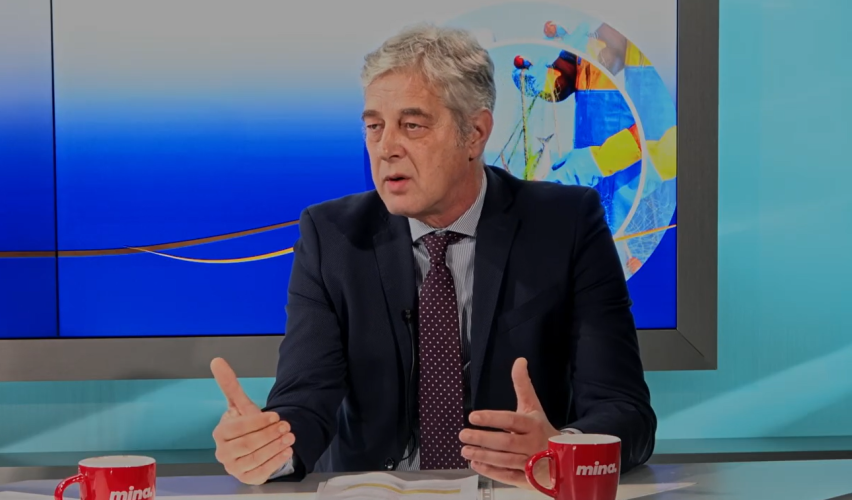
“Attention must be paid to new obligations, for example, advance landing notifications, catch reporting by species, and product traceability. Upon EU accession, Montenegro will have access to the European Maritime, Fisheries, and Aquaculture Fund, which will allow further investment in infrastructure,” Rogošić told Mina-business agency in response to a question on how Montenegro can prepare for EU entry.
Burzanović, commenting on the latest European Commission report on Chapter 13, said that the EC’s realistic assessment is that Montenegro is moderately prepared in the field of fisheries.
“They also noted that we have adopted key laws on marine fisheries, aquaculture, market, structural measures, and state aid, which is very important, but they also point out that numerous secondary regulations must be adopted for full implementation of the laws and to ensure the Common Fisheries Policy rules are fully applied,” Burzanović said.
She added that the EC notes that Montenegro must work on strengthening administrative capacities, which will be implemented through the Action Plan adopted by the Government, including hiring and capacity building until EU accession.
Rogošić explained that fisheries policy is governed from Brussels, meaning that it is regulated by the Common Fisheries Policy through regulations directly applicable to all member states.
“For the Croatian sector, the biggest challenge was bringing these regulations closer to fishermen and implementing them. Montenegro already had many obligations in national legislation, but they were often not sufficiently enforced as expected under EU regulations. This does not mean that fishermen have no influence on the Common Fisheries Policy, but they need to organize through international organizations such as the Mediterranean Advisory Council (MEDAC),” Rogošić concluded.
More at: mina.news