




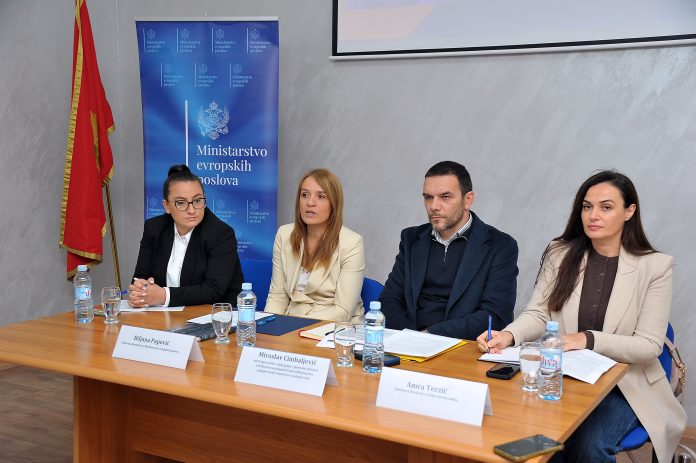

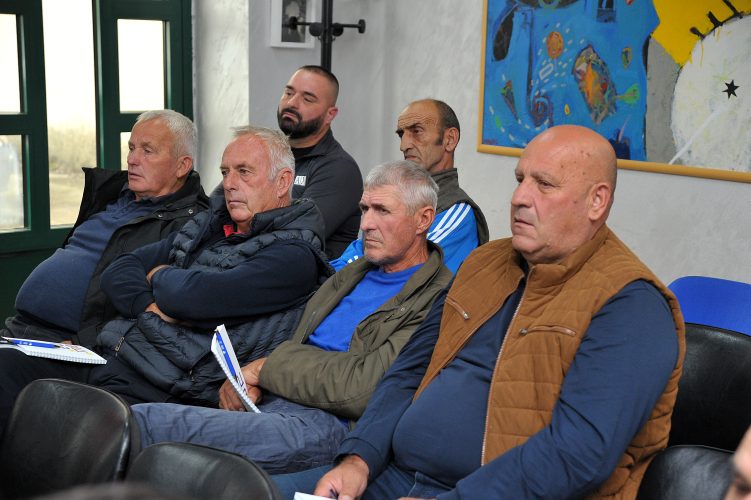
Agricultural producers and representatives of agricultural associations from the Municipality of Zeta attended consultations today on Chapter 11 – Agriculture and Rural Development, where they exchanged views with representatives of state institutions on the importance of aligning with EU policy in this sector.
The event was organized by the Ministry of European Affairs as part of the EU4ME project, funded by the European Union.
Participants included State Secretary at the Ministry of European Affairs Biljana Papović, Head of the Negotiating Working Group and General Director of the Directorate for Agriculture at the Ministry of Agriculture, Forestry and Water Management Miroslav Cimbaljević, Deputy Head of the Negotiating Working Group and Head of the Directorate for Plant Production Amra Terzić, and Secretary of the Negotiating Working Group Granica Kovačević Petrić.
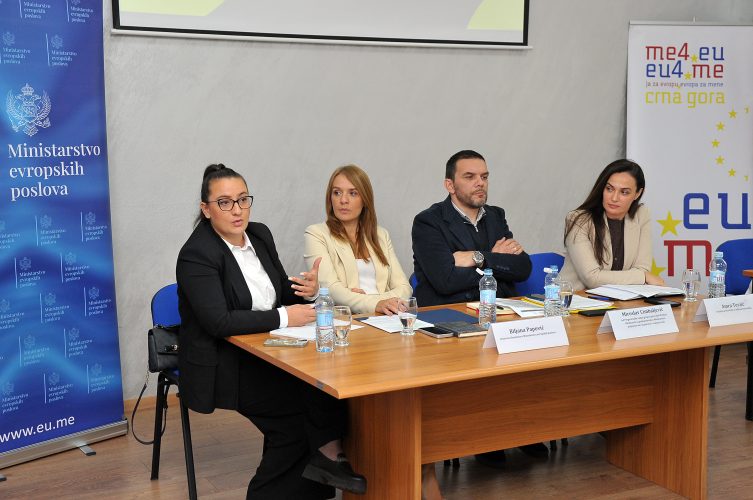
State Secretary Biljana Papović reminded that the Common Agricultural Policy (CAP) is one of the most comprehensive and significant EU policies, aimed at sustainable and competitive development of agriculture and rural areas. She stated that the temporary closing of Chapter 11 comes after years of dedicated work and achieved results in this area.
“Temporarily closing Chapter 11 brings numerous benefits for Montenegro – from EU financial support for farmers, enabling more secure income and investment in modernizing farms, to new resources for rural development, infrastructure improvement, digitalization, and better quality of life in rural areas, as well as safer food and opportunities for marketing domestic products to a market of half a billion consumers,” said Papović.
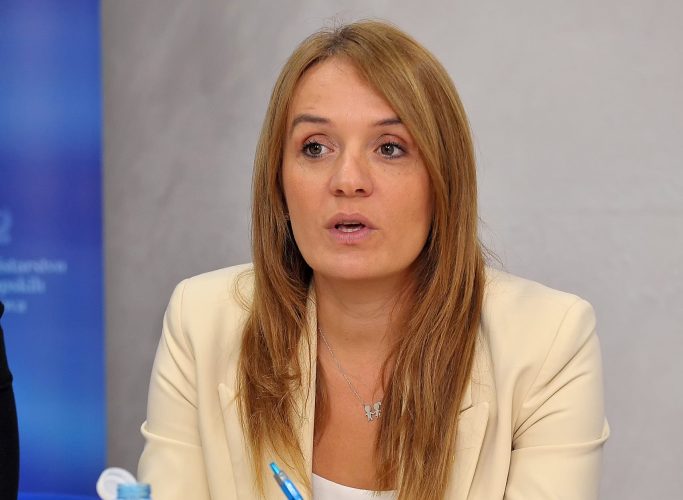
She also emphasized that the main challenge is adapting to new rules and strengthening capacities to efficiently implement EU support in practice.
Head of the Negotiating Working Group, Miroslav Cimbaljević, reminded that Montenegro has fulfilled the closing benchmarks, creating conditions for the temporary closure of the chapter. He added that the process should be supportive of agricultural production, not burdensome.
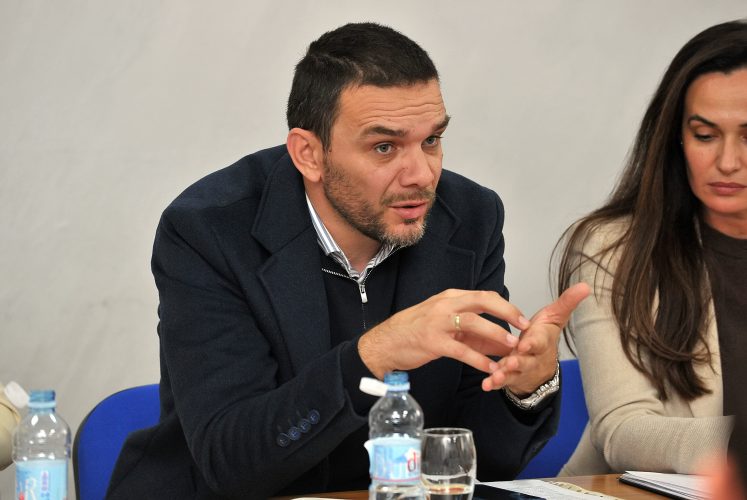
“We want this process to strengthen, not hinder, agricultural production. Agriculture in Montenegro is challenging due to specific conditions – our arable land has an average slope of over seven percent, making mechanization difficult. By joining the EU, Montenegro becomes part of the European single market, and we must use this period to strengthen capacities, processing, and final products. It is especially important for producers to unite and approach the market collectively, as only organized producers can be competitive in the EU market. It is encouraging that recent public calls show a large number of applicants for IPARD support, indicating that farmers increasingly understand the process and opportunities available,” said Cimbaljević.
Deputy Head of the Negotiating Working Group, Amra Terzić, emphasized that the closing of Chapter 11 will confirm the work of the negotiating structure so far.

“This process shows that we have significantly strengthened administrative capacities and established technical structures, particularly the future Payments Agency, so that Montenegro can use EU funds for agriculture and rural development from the moment of accession. We are also obliged to continue harmonizing national legislation with the EU and align Agrobudget and IPARD measures with the Common Agricultural Policy,” said Terzić.
She added that real benefits for farmers will be visible once Montenegro joins the EU.
“Upon EU accession, farmers will have access to larger funds, particularly EAFRD (European Agricultural Fund for Rural Development) and EAGF (European Agricultural Guarantee Fund), which provide more resources than are currently available through the Agrobudget and IPARD. EU accession will be challenging due to competition, but it is an opportunity for those who modernize production, implement standards, and cooperate in time,” Terzić noted.
Secretary of the Negotiating Working Group, Granica Kovačević Petrić, highlighted that the adoption of the Implementation Plan for establishing IACS and the Payments Agency, as well as progress in harmonizing with EU legislation, represents an important step in building a system capable of implementing the Common Agricultural Policy.
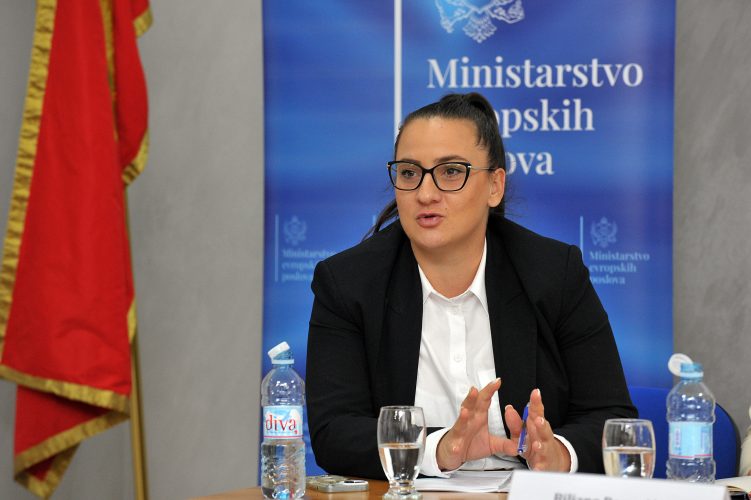
“This plan lays the foundations for establishing key mechanisms that will enable implementation of the European model of agricultural support in the coming years. We now enter a phase of practical implementation, which will require significant energy and dedication from both farmers and relevant institutions. Our goal is for every producer, regardless of farm size, to feel tangible benefits from EU funds, making these resources accessible to all who wish to improve their production,” Petrić said.
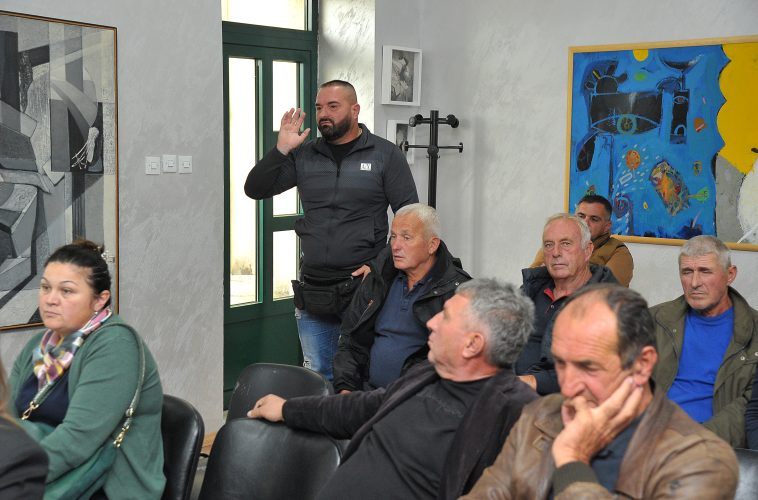
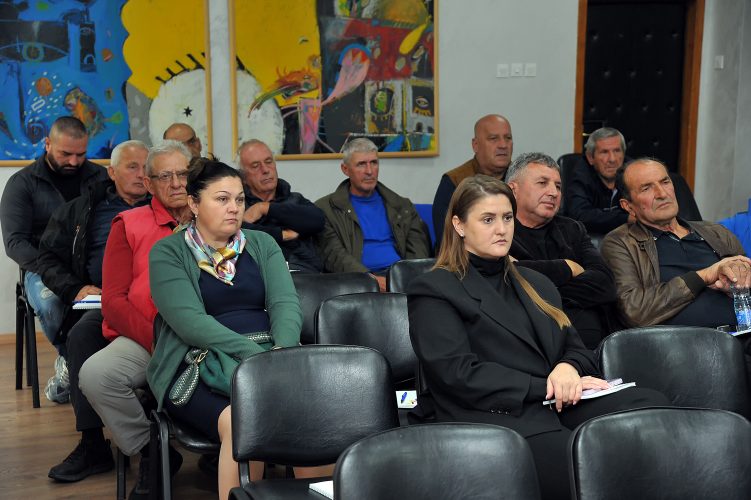
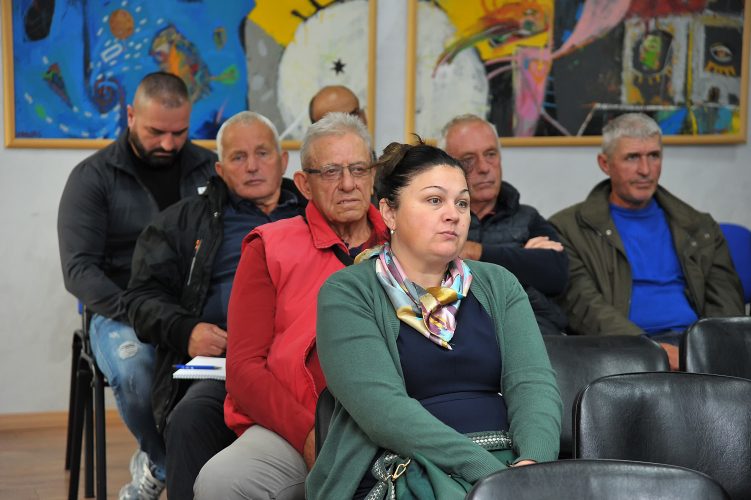
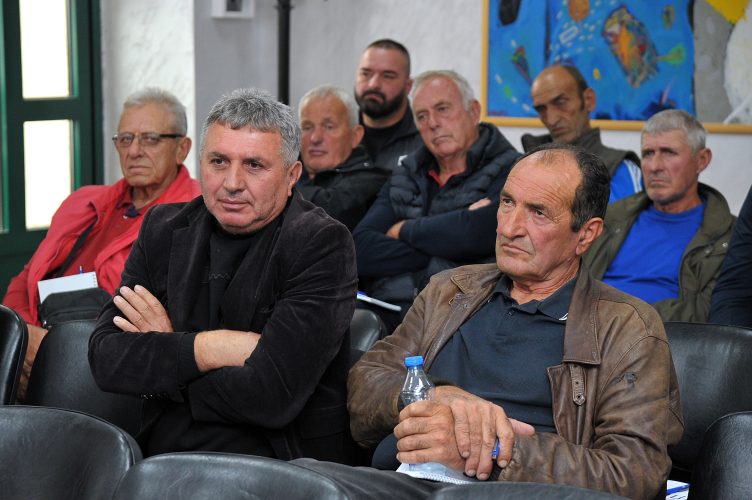
During the consultations, farmers from Zeta highlighted the main challenges they face in daily work. They pointed out that large retail chains do not purchase their products, there is a shortage of storage and cold facilities, and administrative barriers complicate subsidy access. They also stressed the need for stronger producer cooperation and joint market approaches as key conditions for future competitiveness.
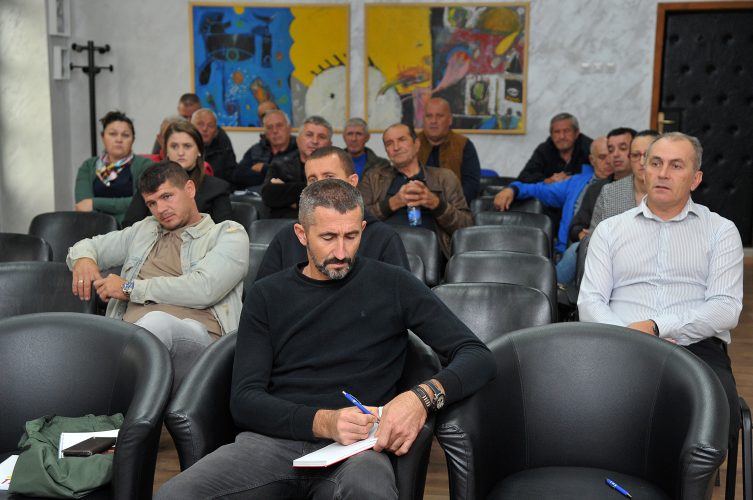
Farmer Sreten Batrović stated that agriculture in Zeta is in a difficult position.
“Agriculture in our area is at a very low level due to production difficulties and import pressures. If the Ministry of Agriculture and the Government do not support us, in a few years we will disappear – imports will take over. The solution is to increase the support fund and provide higher subsidies, as there are not enough young people entering this sector,” Batrović said.
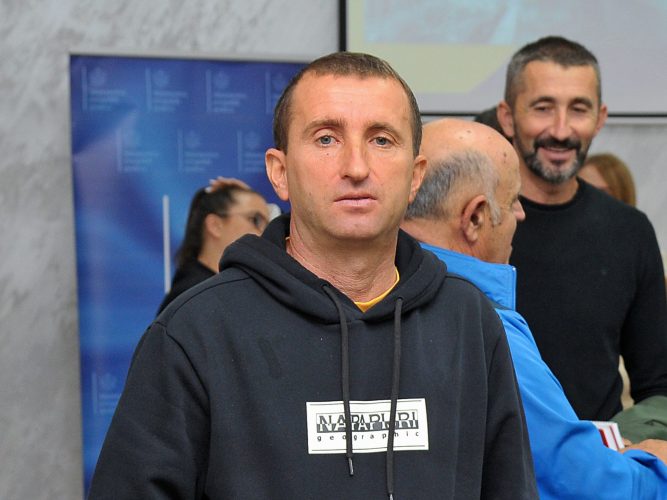
His colleague Srđan Raičević emphasized the importance of preparing for EU standards.
“Agriculture has obligations, and Zeta has obligations. We must adapt to EU standards. The meeting was useful; I regret that more people, especially young ones, were not present. We expressed our problems, and I believe EU membership will oblige us to address them, encouraging more young people to engage in agriculture,” Raičević said.
As part of their visit to Golubovci, representatives of the two ministries visited the “Golubovci” Mixed Secondary School and spoke with first and third-year students in the agrotechnician program about the opportunities EU membership will bring to Montenegrin citizens, particularly farmers. They encouraged young people to prepare by acquiring new knowledge and skills.
During the school visit, an online competition on Chapter 11 – Agriculture and Rural Development was held, and the three best participants were awarded.
MINISTRY OF EUROPEAN AFFAIRS