



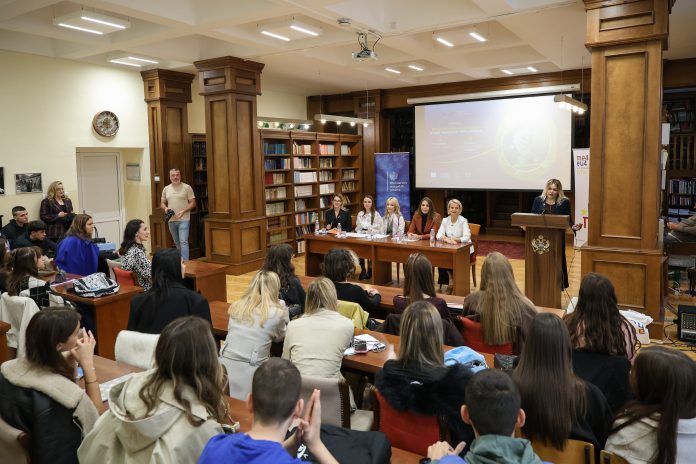

“Knowledge pays off, and do not doubt it. We are joining the European Union so that we can live better, so that you tomorrow will have the possibility of choice, to improve yourselves, learn, work, and travel,” said Bojana Bošković, State Secretary at the Ministry of European Affairs.
Today, she opened a workshop on the topic “Europe Without Borders in Payments: Discover the Benefits of the SEPA System”, organized by the Ministry of European Affairs and the Center for Finance, in cooperation with the Slobodan Škerović Gymnasium, as part of the EU4ME project funded by the European Union.

Bošković stated that the reforms implemented by the Government, coordinated by the Ministry of European Affairs, will facilitate the functioning and life of citizens, and that workshops like this are important to ensure the long-term sustainability of reforms, which, as she emphasized, have real impact if citizens, especially young people, use their benefits.

Speaking about the benefits of Negotiation Chapter 4 – Free Movement of Capital, and Montenegro’s membership in the SEPA instrument, Bošković explained that citizens previously had to pay more for transactions, whereas today it is much faster and cheaper.
“What we do to make citizens’ lives better will have no effect if citizens and young people do not use it. That is why we are here today to tell you what we have done and how you can use it,” Bošković emphasized.

Professor Dr. Ivana Katnić presented the work of the Center for Finance, a licensed scientific-research institution, highlighting that the institution has conducted various activities on financial literacy, including research and numerous workshops for young people teaching how money is created and saved.
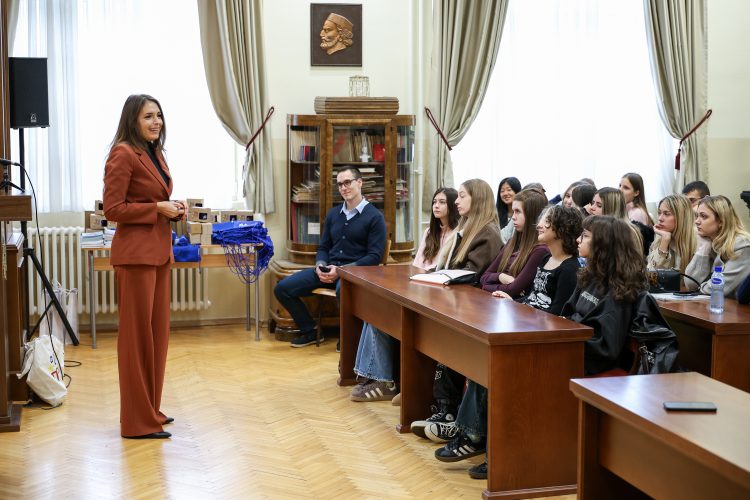
Jela Rakočević from the Central Bank of Montenegro stated that Montenegro’s European integration represents the creation of new opportunities and the erasure of borders. She said that Montenegro’s accession to the SEPA system was a historic step toward full financial and economic integration with the EU.
“SEPA represents a single market for payments in euros, where citizens, legal entities, and public institutions can carry out cashless transactions in euros. Montenegro has been a SEPA member since 7 October 2025, and membership in this instrument brings our country and citizens a more modern payment system, greater competitiveness for the economy, and a better reputation for our financial sector,” Rakočević said.
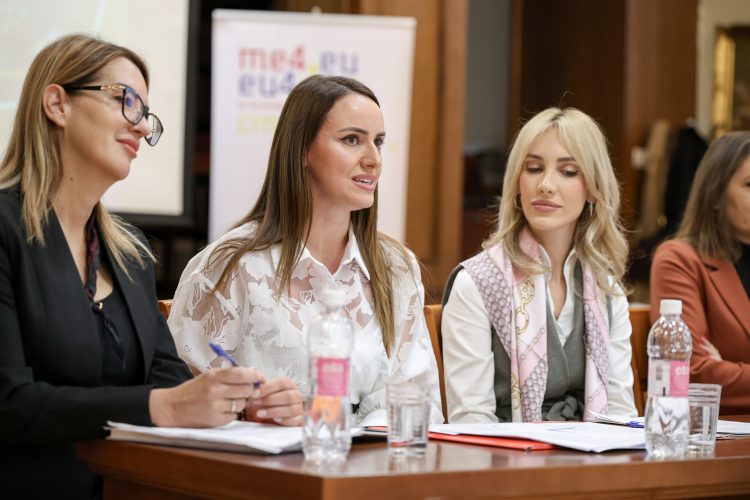
Rakočević explained that accession to SEPA was preceded by extensive work to align with EU standards, which included harmonizing regulations and developing technical infrastructure to create a modern payment system. The CBCG coordinated activities in cooperation with the Government, domestic institutions, local banks, and international partners.
“The SEPA project contributes to citizens’ quality of life and strengthens the domestic economy. SEPA transactions allow citizens and businesses significant savings and facilitate entrepreneurs’ operations in the international market,” concluded Rakočević.
Milena Grupković from the Mortgage Bank stated that SEPA is a major step toward the EU and faster, more efficient payments.
“With traditional payments via SWIFT, the procedure took 48 hours, and the recipient received less money than sent. Today, via SEPA, a credit transfer takes one day, and citizens pay significantly less for transactions: from 0 cents to 3.99 euros for transactions up to 20,000 euros, which represents huge savings for citizens and the economy,” Grupković explained.
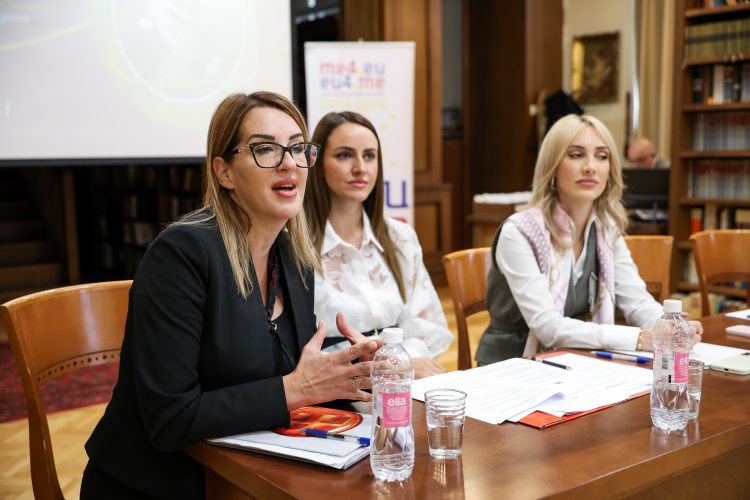
She added that all 11 commercial banks in Montenegro have joined SEPA, so that today a significantly larger number of transactions are conducted online, while a smaller number occur at the counters.

“The CBCG and commercial banks are doing everything to realize the initiative to reduce cash usage, i.e., to move toward digitalization and modernization. Digitalization means speed. It leads to fast decision-making, quick action, implementation, and rapid results,” Grupković said.
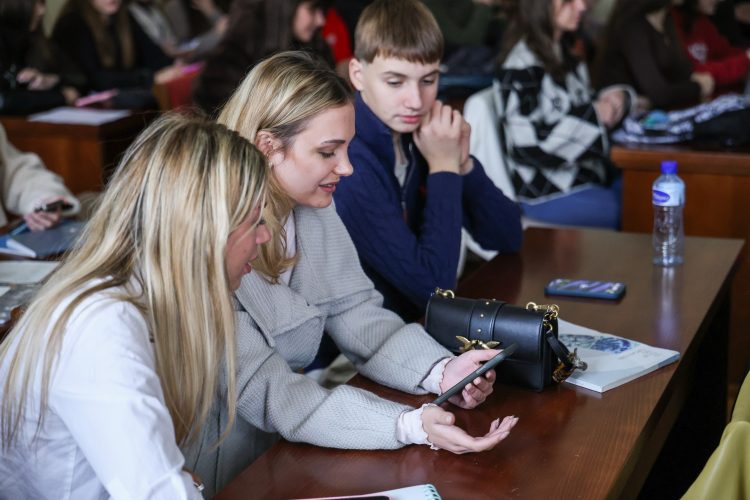
As part of the workshop, a knowledge quiz was held with 47 students participating, and the top three received valuable prizes from the Ministry of European Affairs and the Center for Finance.

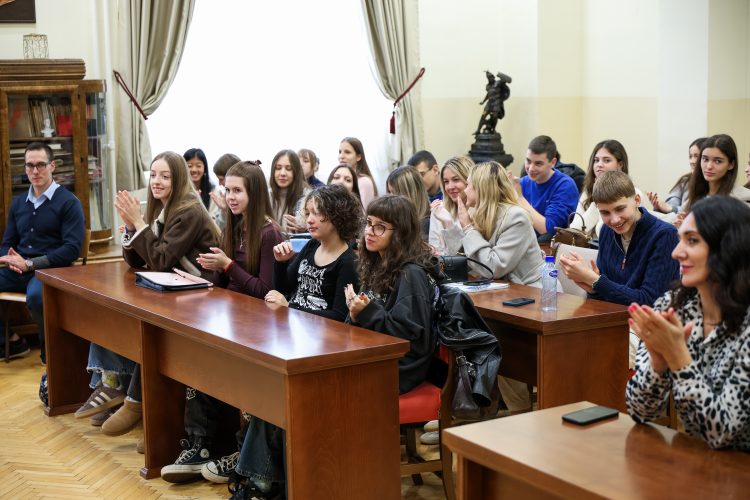
The workshop was organized to improve understanding and awareness among young people about the benefits that the accession process and future EU membership bring to Montenegro and its citizens, as well as to encourage more active participation in the European integration process. It also aimed to improve the financial literacy of young people.

Students showed great interest in the workshop topic, especially asking whether the SEPA payment system will reduce fees and whether cash will be completely eliminated, as well as what the new “language” of the payment system in Europe is.
MINISTRY OF EUROPEAN AFFAIRS