




For over a decade, Montenegro has actively contributed to the implementation of the European Union Strategy for the Adriatic-Ionian Region (EUSAIR), participating in joint projects, promoting sustainable development, and strengthening regional cooperation within the Adriatic-Ionian macro-region. In doing so, Montenegro prepares for EU membership and demonstrates that a joint approach and partnership are the best ways to address challenges and harness development potential.
EUSAIR is one of the EU’s four macro-regional strategies and serves as a strategic framework to support the socio-economic development of the Adriatic-Ionian region, promoting cooperation between EU Member States and candidate countries. The strategy was adopted on 18 November 2014 by the European Commission and endorsed by the Council of Ministers of the EU.
The main goal of the Strategy is to improve the region’s economic and social prosperity and growth by enhancing its attractiveness, competitiveness, and connectivity. EUSAIR is particularly significant for EU candidate countries, as it directly contributes to their integration into the European Union.
How It All Began
Montenegro and the European Union established formal relations through the Stabilization and Association Process in July 2001, and on 15 December 2008, Montenegro submitted its application for EU membership. EU accession negotiations were opened two years before the establishment of EUSAIR, in June 2012. EU accession has been a key national priority from the very beginning of this process, and Montenegro is now closer to that goal than ever.
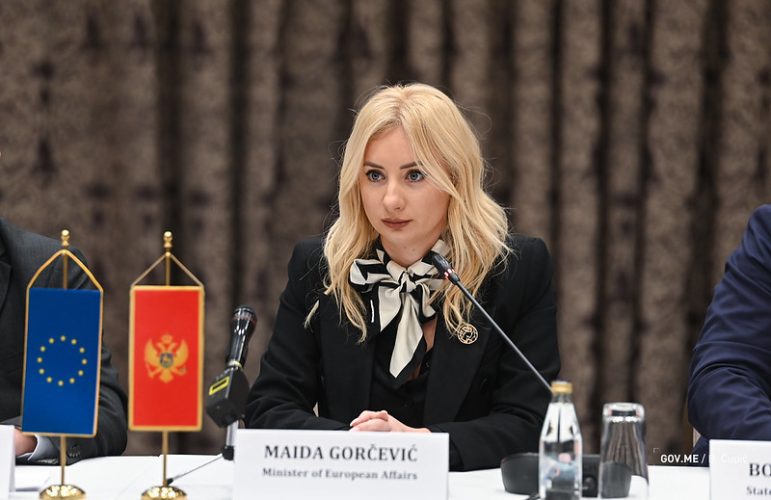
“Joining the European Union is a fundamentally transformative process. Upon completion, Montenegro will economically, socially, and institutionally become part of the community of the most developed European countries. The task of the Government is to utilize all opportunities provided by the European integration process to strengthen the economy and improve the living standards of its citizens through the implementation of quality projects. Montenegro’s ambition is to become the 28th member of the European Union by 2028,” emphasized Minister of European Affairs Maida Gorčević.
The implementation of the Strategy involves ten countries: four EU Member States – Greece, Croatia, Italy, and Slovenia, five EU candidate countries – Albania, Bosnia and Herzegovina, Montenegro, Serbia, and North Macedonia, as well as San Marino. In terms of ambition, motivation, commitment, and enthusiasm on the shared EUSAIR journey, Montenegro is equal to the other participating countries.
Montenegro – A Reliable Partner in EUSAIR Implementation
In Montenegro, EUSAIR implementation is coordinated by the Ministry of Foreign Affairs and the Ministry of European Affairs, with appointed national coordinators overseeing the process. Specific responsibilities within the five thematic pillars of this macro-regional strategy are entrusted to relevant ministries and institutions: the Ministry of Agriculture, Forestry and Water Management; Ministry of Education, Science, and Innovation; Ministry of Economic Development; Ministry of Ecology, Sustainable Development and Northern Montenegro; Ministry of Transport; Ministry of Energy and Mining; Ministry of Maritime Affairs; Ministry of Tourism; Ministry of Culture and Media; Ministry of Labor and Social Dialogue; Ministry of Sport and Youth; Institute of Marine Biology; Chamber of Commerce; and the National Tourism Organization.
Within EUSAIR, Montenegro co-coordinates Pillar 1 – Blue Sustainable Economy (formerly Blue Growth) together with Greece, aiming to promote sustainable blue and green growth in the Adriatic-Ionian region through strengthening innovation ecosystems, supporting sustainable fisheries and aquaculture, and improving maritime and marine governance, including skills development.
Macro-regional strategies do not have their own funding sources and rely on existing funds for implementation. The Facility Point project has supported EUSAIR implementation since 2016. Within this project, Montenegro coordinates the work package dedicated to capacity building. Considering the importance of capacity development as a key EUSAIR element, the trust placed in Montenegro to lead this segment, along with the responsibility for its successful implementation, clearly underscores the significance of Montenegro’s role.
Montenegro – The First EU Candidate Country to Chair EUSAIR
Montenegro was the first EU candidate country to chair EUSAIR, from June 2018 to May 2019. This milestone was significant for both Montenegro and the EU enlargement process, as EUSAIR is one of the mechanisms supporting EU accession.
Montenegro’s chairmanship focused on Blue Growth and sustainable tourism, initiating financial dialogue among EU candidate countries. During its chairmanship, Montenegro, together with national coordinators from other participating countries, worked on integrating priority themes relevant to the Adriatic-Ionian macro-region into legislative and programmatic documents for the EU 2021–2027 financial perspective.

During its chairmanship, Montenegro organized multiple thematic events to strengthen regional cooperation. In April 2018, Podgorica hosted the Thematic Steering Group meeting for Pillar IV – Sustainable Tourism. Later that year, Budva hosted two key events: on 13 November, a meeting dedicated to Pillar III – Environmental Quality, followed by a meeting of the Thematic Group for Pillar I – Blue Growth.
Montenegro’s strong commitment to the chairmanship priorities, particularly in promoting blue growth, tourism, and integrated coastal management, was highlighted. In line with EUSAIR objectives, Montenegrin partners participated in 15 projects selected under the first call for proposals in the transnational ADRION program, totaling €1.6 million. Notably, the PORTODIMARE project aimed to strengthen capacities for cross-border solutions in ecological vulnerability, fragmentation, and ecosystem services conservation in the Adriatic-Ionian area.
During its chairmanship, Montenegro hosted the Fourth Forum on the EU Strategy for the Adriatic-Ionian Region and the Second Joint Conference of Chambers of Commerce, Cities, and Universities of the Adriatic-Ionian region in Budva on 7–8 May 2019.
Montenegro – Environmentally Committed by Constitutional Determination
Montenegro’s EU accession aspirations required meeting the environmental criteria outlined in Chapter 27 – Environment and Climate Change. An Action Plan adopted in February 2021 defined 251 obligations, including the establishment of marine protected areas.
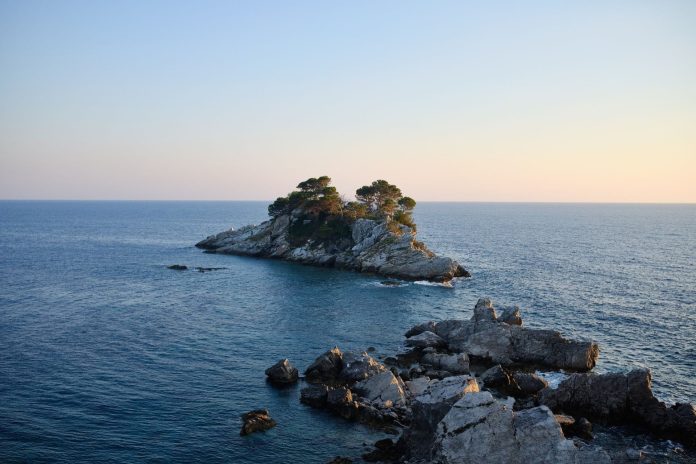
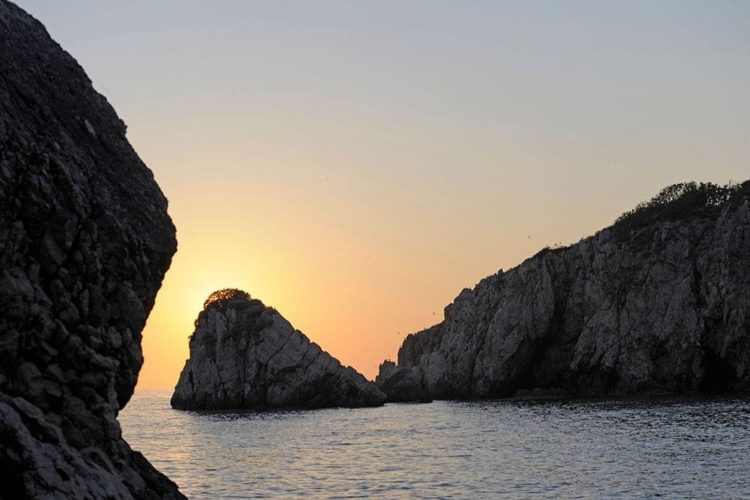
As a result of efforts to protect marine and coastal ecosystems, and through EUSAIR and regional projects, the Government of Montenegro, in accordance with the Nature Protection Act, declared five marine protected areas: three in 2021 – Platamuni Nature Park, Katič Nature Park, and Stari Ulcinj Nature Park, and two in 2024 – Sopot and Dražin vrt.
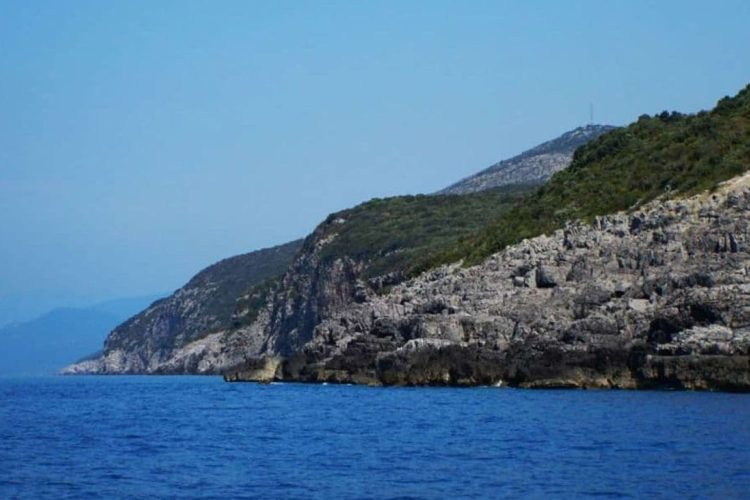
Marine protection foundations were established through the National Strategy for Integrated Coastal Zone Management and the National Biodiversity Strategy with an Action Plan. The Ministry of Ecology organized public consultations and discussions to gather feedback and ensure transparency in decision-making. Local communities, including fishermen, were actively involved in discussions on boundaries and management plans for protected marine areas, achieving a balance between conservation goals and local livelihoods.
With the support of the Global Environment Facility (GEF), extensive marine biodiversity assessments identified ecologically significant areas suitable for protection. Key marine habitats were identified, such as Posidonia oceanica meadows, coral habitats in Platamuni, and significant populations of the protected coral species Savalia savaglia in the Bay of Kotor.
The documentary “Return to the Sea” showcases the natural beauty and ecological importance of Montenegro’s underwater environment, highlighting the need for marine conservation. It features fishermen, lighthouse keepers, and local community members from Bar, Ulcinj, Budva, and Kotor sharing their experiences and perspectives on the significance of marine protection.
Institute of Marine Biology in Kotor – Contribution to the Blue Sustainable Economy Pillar
The Institute of Marine Biology in Kotor, part of the University of Montenegro, plays a key role in achieving the goals of the EU Strategy for the Adriatic-Ionian Region, particularly within Pillar 1 – Blue Sustainable Economy. The Institute is a member of the national EUSAIR Implementation Working Group, contributing to research, protection, education, and regional cooperation to promote sustainable marine development.
The Institute has developed innovative methods for monitoring marine ecosystems, such as using shell heartbeats as bioindicators of water quality. This approach was presented at a meeting on smart specialization strategies under EUSAIR, highlighting its applicability for ecological monitoring.
Within the Institute, the “Boka Aquarium” Marine Biodiversity Protection Center was established in Kotor, and in 2021, a public aquarium was opened as an educational and research facility dedicated to marine biodiversity conservation and public awareness. It is the first and only public aquarium in Montenegro, visited by over 8,000 people in its first three months.
The Institute has participated in numerous EU-funded projects, including:
SHAREMED – strengthening capacity to address ecological threats in the Mediterranean;
SA SKILLS – improving access to specialized knowledge and skills in the labor market, particularly in blue economy sectors such as marine biotechnology and tourism;
FOOD4HEALTH – enhancing the competitiveness of SMEs and easing market access by improving production techniques, transferring and applying European quality standards, and valorizing traditional food and fisheries products.
The Institute also organizes workshops on invasive and non-native marine species, promoting regional cooperation and knowledge exchange.
Through these initiatives, the Institute significantly contributes to sustainable development and environmental protection within EUSAIR, promoting a collaborative approach to marine conservation in the Adriatic-Ionian region.
Fortress of Španjola – A Symbol of Cultural Heritage and Creative Future
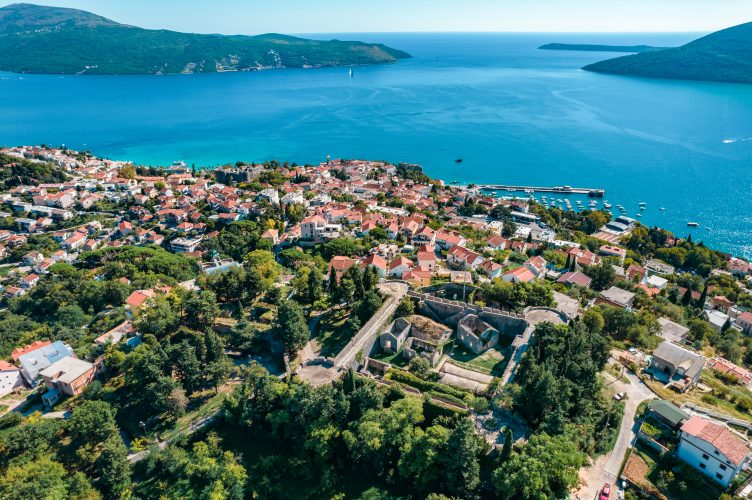
Rising 170 meters above the sea, the Španjola Fortress dominates the Bay of Kotor. Construction began under the Spaniards in 1538 and was completed by the Ottomans in 1548, with subsequent modifications under the Venetians, Austro-Hungarians, and other rulers. Its rich history makes it an important cultural monument not only for Montenegro but for the entire Adriatic-Ionian region.
As part of the SA CREATIVITY project, co-financed through the Interreg IPA South Adriatic cooperation program 2021–2027 and launched in November 2024, the Španjola Fortress will be renovated and transformed into a modern creative hub to stimulate cultural activities and tourism. The renovated fortress will serve as a “cultural lighthouse” for the local community and tourists and as a platform connecting young creative entrepreneurs and innovative startups from the region, promoting collaboration in cultural heritage preservation and the arts. The value of the works in the first phase is €2.5 million, with €1.6 million provided by EU IPA funds and the remainder from the national budget.
In addition to EU-funded infrastructure investments, Montenegro is strengthening its capacities in sustainable tourism, developing facilities and events targeting fast-growing sectors and audiences, such as the creative and digital economy and digital nomads.
As an example, thanks to the financial and strategic support of the EU through the STAR project, funded under the IPA III Cross-Border Cooperation Program Bosnia and Herzegovina – Montenegro 2021–2027, the Bay of Kotor hosted the fifth edition of the Cross-Border Collaboration Conference (CBCC) from 14 to 17 October 2025 – the leading regional event for digital nomads, remote professionals, co-working communities, and innovators in creative and digital economy sectors, organized by IPC Tehnopolis and the National Tourism Organization of Montenegro.
Text adapted and translated from the official EU Strategy for the Adriatic-Ionian Region website: www.adriatic-ionian.eu