



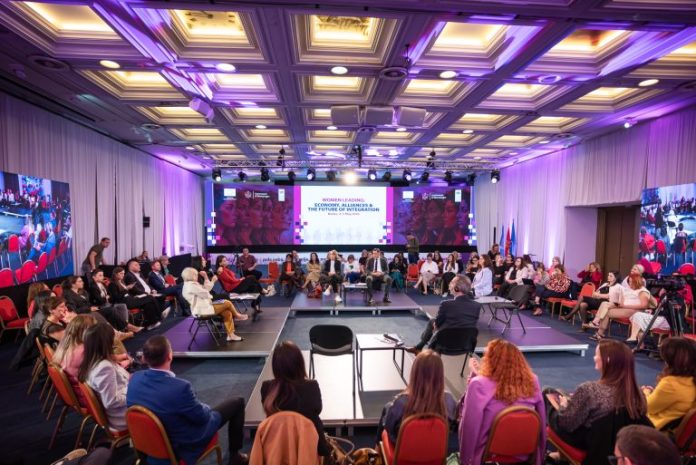

The Western Balkans can achieve faster and more sustainable development only if women are equally included in decision-making, resource management, and economic flows, it was stated at the conclusion of the regional dialogue “Women Lead: Economy, Alliances and the Future of Integration”.
The two-day event was organized by the Ministry of European Affairs of Montenegro and the United Nations Development Programme (UNDP), with financial support from the European Union, bringing together representatives of institutions, international organizations, academia and the business community, civil society, and regional partners.
Data presented during the dialogue indicate that women in the Western Balkans still bear a disproportionate burden of unpaid domestic work, on average one to three hours more per day than men, which remains one of the key obstacles to their full economic participation.
In addition, one in three businesses in the region led by women identifies limited access to mentorship and business networks as a significant challenge, further slowing the growth of women’s entrepreneurship and access to markets.
Therefore, the second day of the dialogue focused on institutional responsibility, regional alliances, and intergenerational leadership, with emphasis on ways to achieve systemic changes that embed gender equality into decision-making processes and resource allocation.
Majda Adžović, Minister of Public Works, emphasized the importance of women joining forces:

“The role of women’s networks is not symbolic, but represents an essential corrective to the system. In practice, this means they are no longer merely a space of support, but also a platform for influence and change – a place from which policies and processes are actively shaped,” said Adžović.
Protector of Human Rights and Freedoms Siniša Bjeković pointed out that the social and economic power of women is still not aligned with their contribution to society:
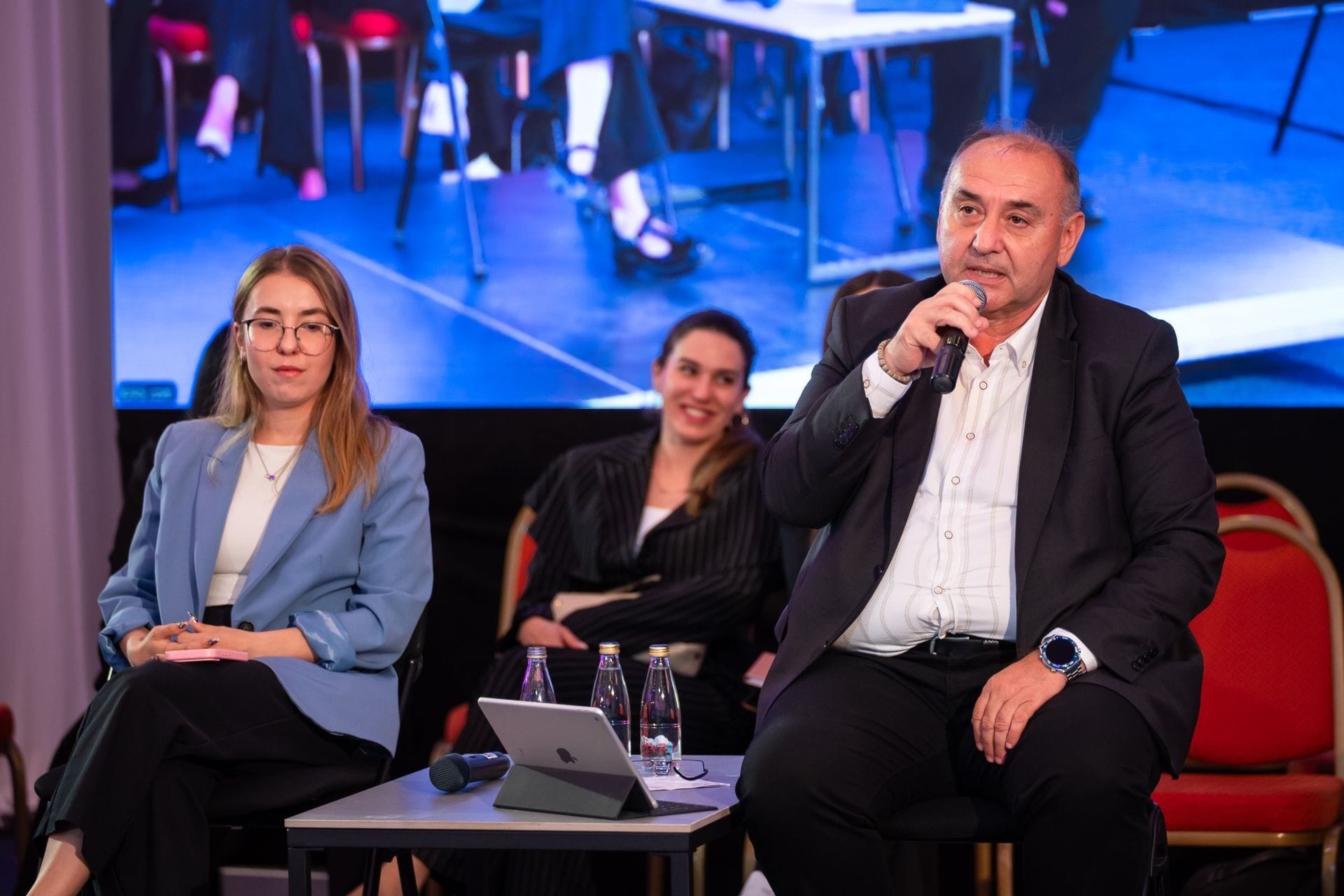
“The key obstacles remain stigma, prejudice, and the dominance of men in decision-making positions. The role of the state must be active – through policies that concretely encourage the empowerment of women, especially those who are most vulnerable,” concluded Bjeković.
Jelenka Andrić, Chair of the Gender Equality Committee of the Parliament of Montenegro, stated that gender equality must become a standard of governance:
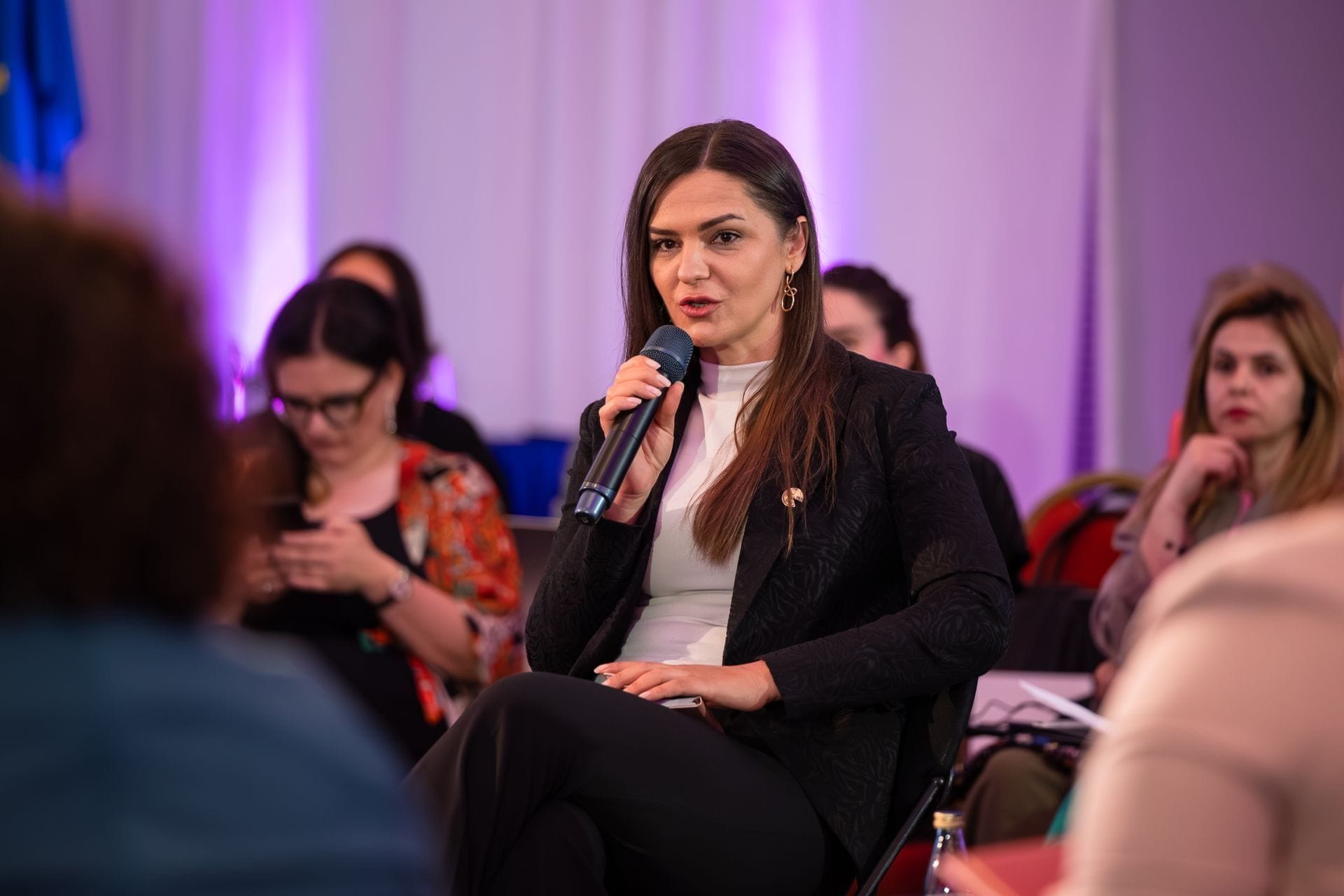
“Individual leaders can initiate change, but the essence lies in building a system that does not depend on enthusiasm, but on a clear and lasting commitment to building a more equal society for all. Our goal is for gender equality in the Parliament of Montenegro not to remain a formality or the topic of a single committee, but to become a binding framework for the entire institution,” said Andrić.
Bojan Vujović, Director General for Coordination of EU Financial Assistance at the Ministry of European Affairs, said that the main task is to transform reform knowledge into concrete improvements:
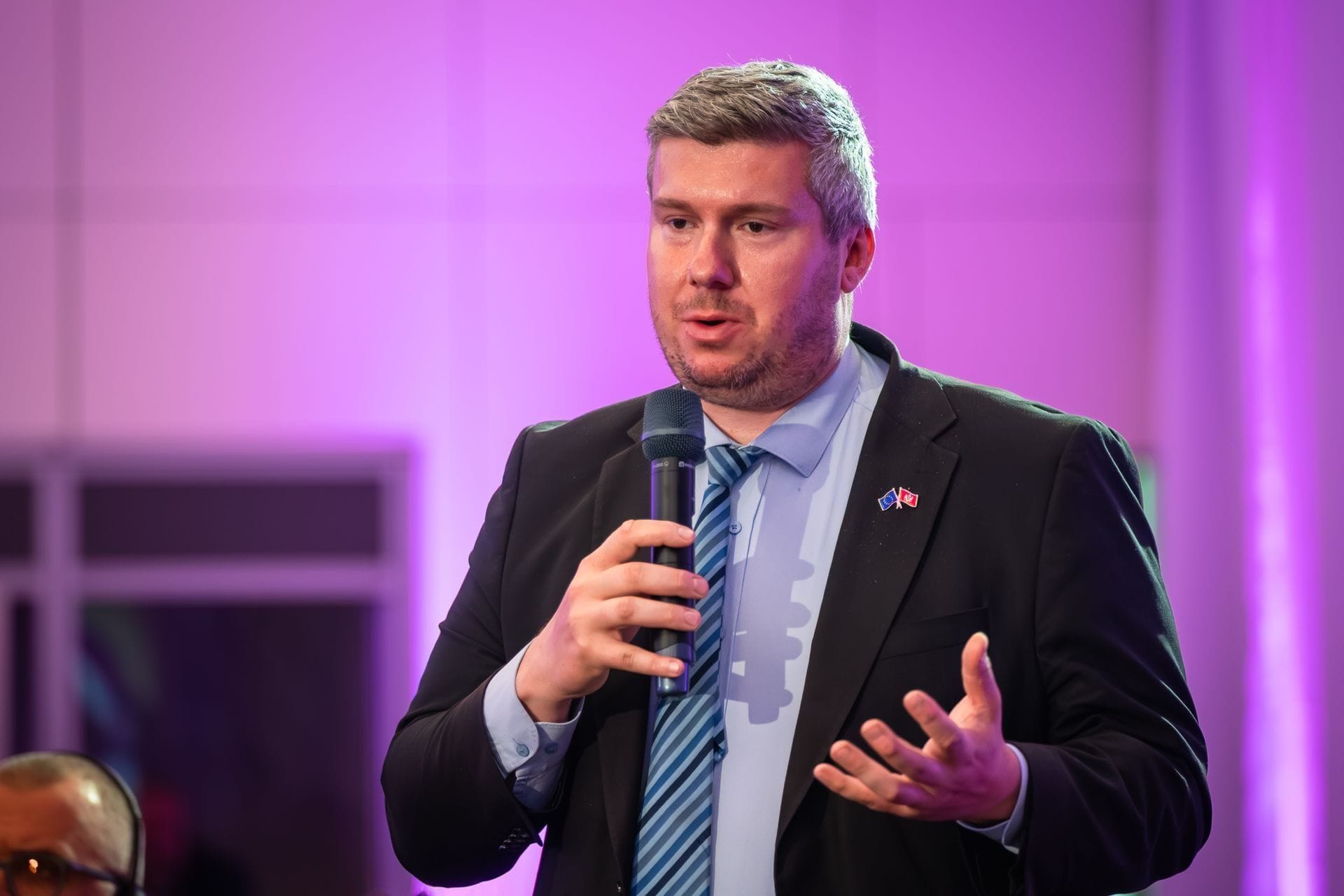
“Today it is clear that all of us face the task of translating knowledge into concrete decisions, policies, and results. In the previous period, Montenegro made significant progress in the legislative and strategic framework in the field of gender equality and will continue to work dedicatedly on its improvement, while strengthening regional cooperation and exchanging knowledge and experiences with partners in the region,” concluded Vujović.
Deputy Resident Representative of UNDP in Montenegro Silke Hollander emphasized that partnerships and alliances are the key to moving from political commitments to measurable results:
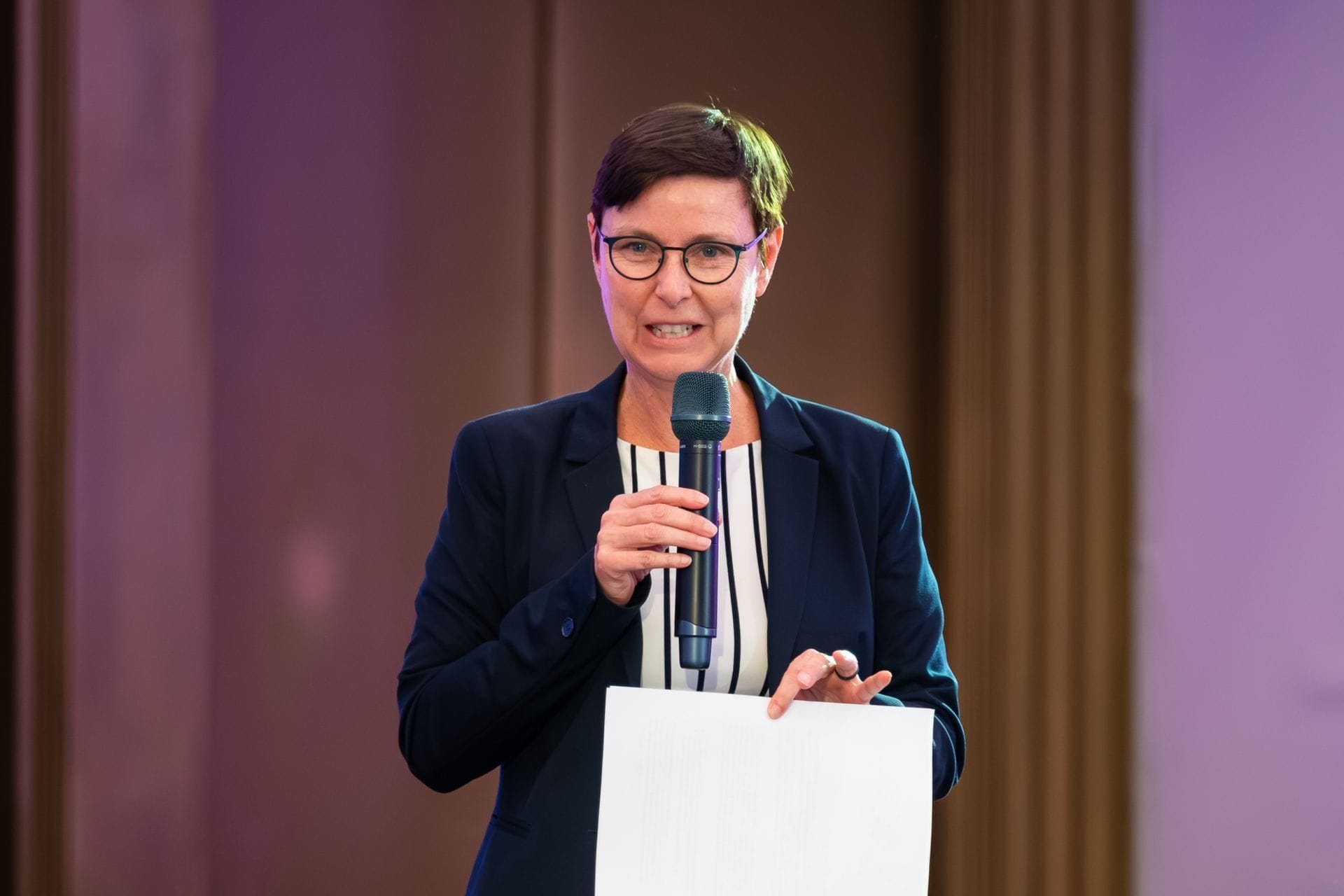
“Regional alliances, women’s networks, and partnerships between sectors are the fastest path from commitments to real change. UNDP will continue to act as a platform for partnerships and a driver of systemic change – connecting policies, finances, and regional cooperation so that today’s conclusions become tomorrow’s laws, budgets, and measurable results,” emphasized Hollander.
During the panels, it was assessed that the inequalities affecting women are not accidental, but rather the result of existing systems, and that deeper changes are needed in the areas of the labour market, education, finance, and governance. It was also emphasized that progress is not sustainable without investing in new generations of women and men leaders, and that connecting experience with new approaches is crucial for the sustainability of reforms.
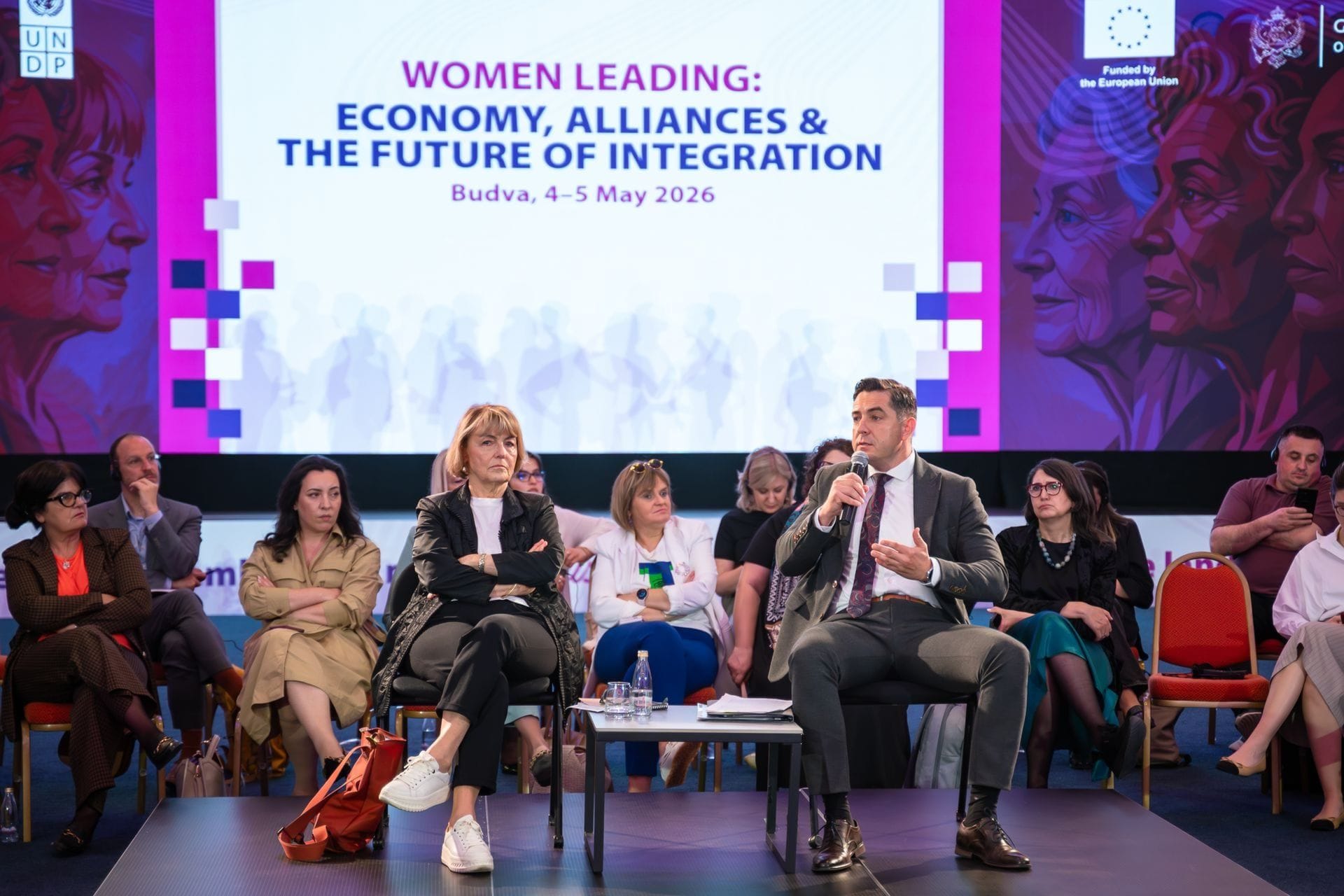
Edi Gusia, Executive Director of the Kosovo* Agency for Gender Equality, presented their experiences, stating that systemic policies have produced measurable results, including support through STEM scholarships for women and significant growth in their participation in those fields.
Marko Vešligaj, Member of the European Parliament, highlighted the European Union’s experience as an example of good practice in the field of gender equality. He said that it is necessary to ensure stable financial support and strengthen women’s political participation so that women are at the center, rather than on the margins, of decision-making processes and public policies.
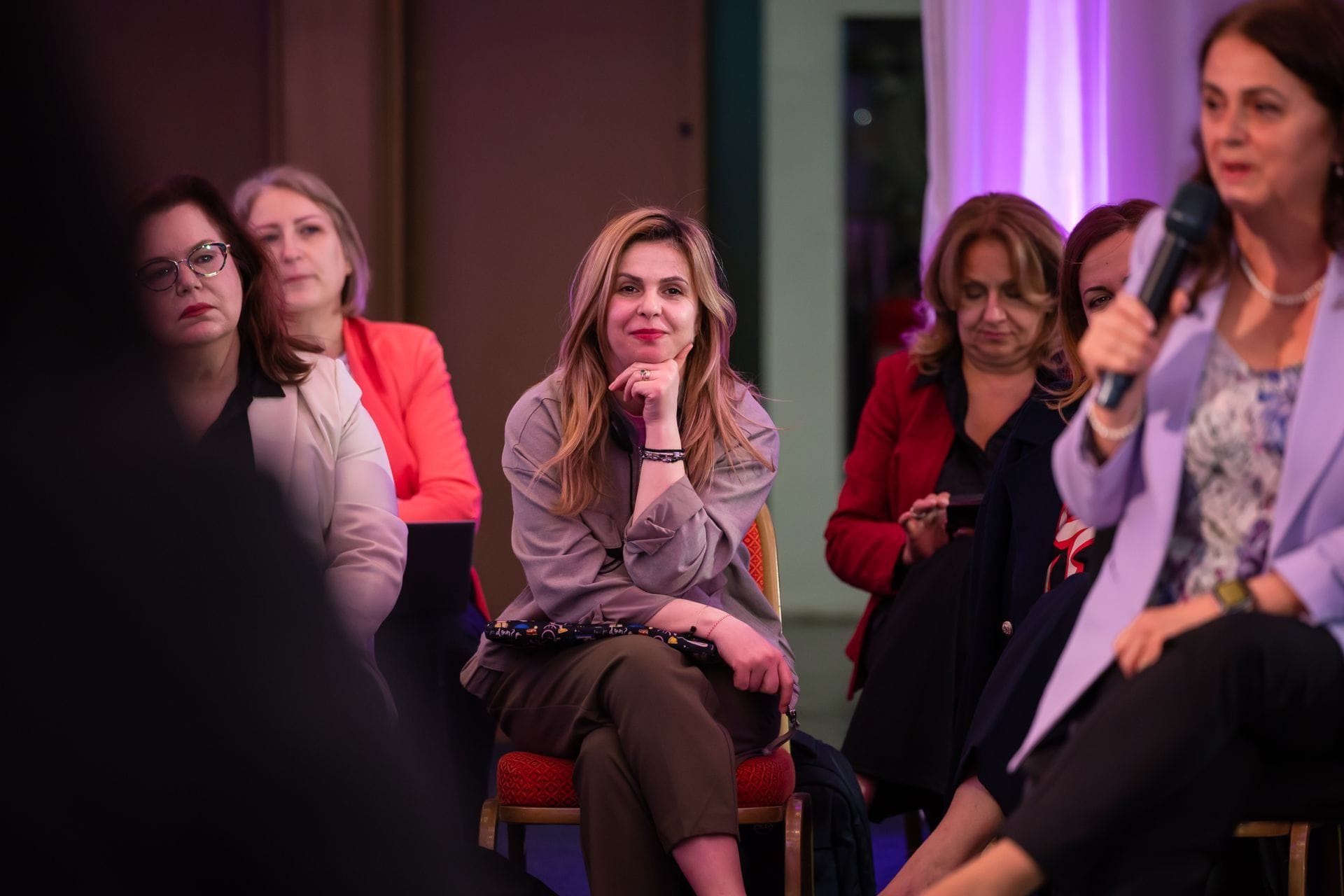
Sonja Lokar, regional gender equality expert, pointed out that sustainable change requires a strong connection between institutional reforms and social movements, emphasizing that processes initiated “from above” can only be consolidated through pressure and mobilization “from below”.
The conclusion of the dialogue was that the region cannot achieve its full development potential without the full inclusion of women, and that systemic change, accountability, and strong regional cooperation are key to accelerating that process.
The dialogue is part of the regional program “EU4GenderEquality”, funded by the European Commission and jointly implemented by UNDP and UN Women.
MINISTRY OF EUROPEAN AFFAIRS / UNITED NATIONS DEVELOPMENT PROGRAMME IN MONTENEGRO (UNDP)