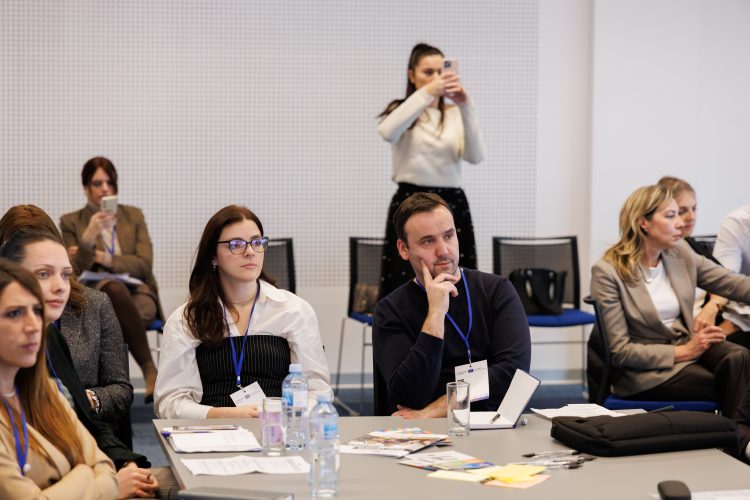


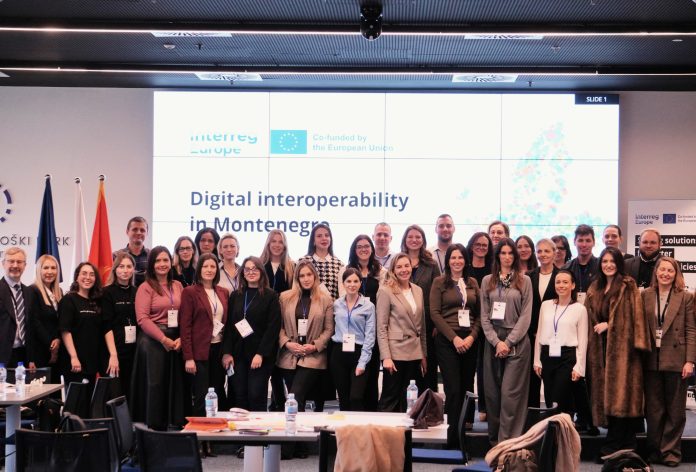

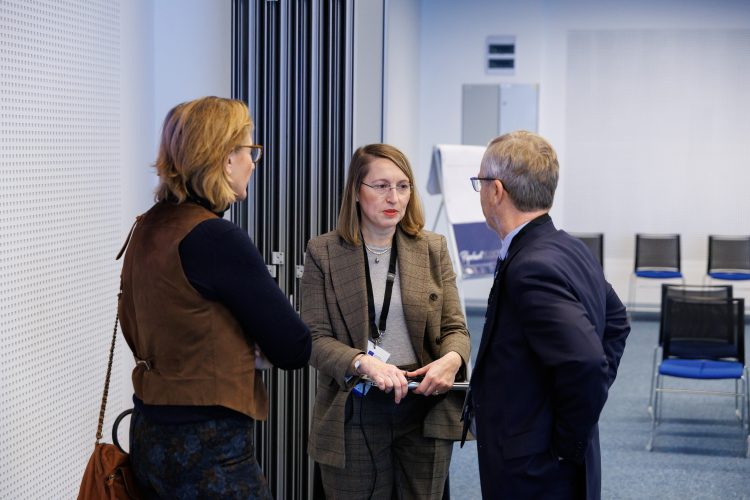
A workshop focused on creating a digital interoperability map in Montenegro was held on 4 December at the Science and Technology Park in Podgorica. The event was organized by the Interreg Europe cooperation program, through the Policy Learning Platform, in partnership with the Ministry of European Affairs and the Ministry of Public Administration.
The workshop aimed to strengthen the capacities of Montenegrin institutions in digital interoperability, provide a space for experience exchange, learning from good European practices, and jointly identify efficient and sustainable digital solutions.
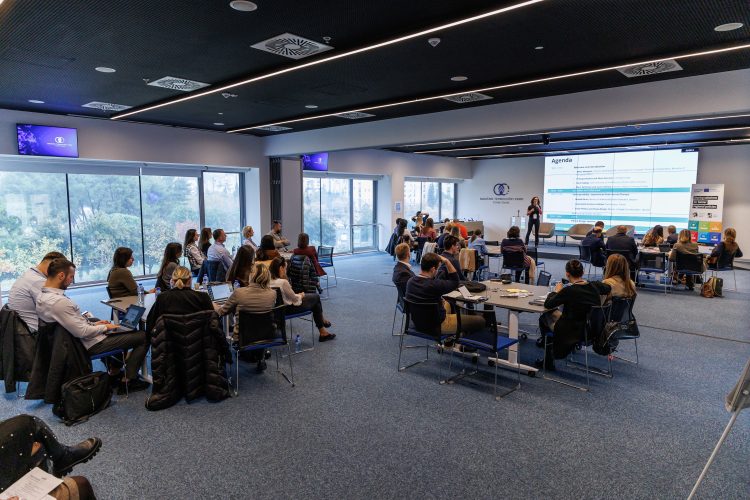
The event was opened by Miloš Marković, Director General of the Directorate for European Territorial Cooperation at the Ministry of European Affairs, who thanked colleagues from the Joint Secretariat for their ongoing support in organizing such events in Montenegro.
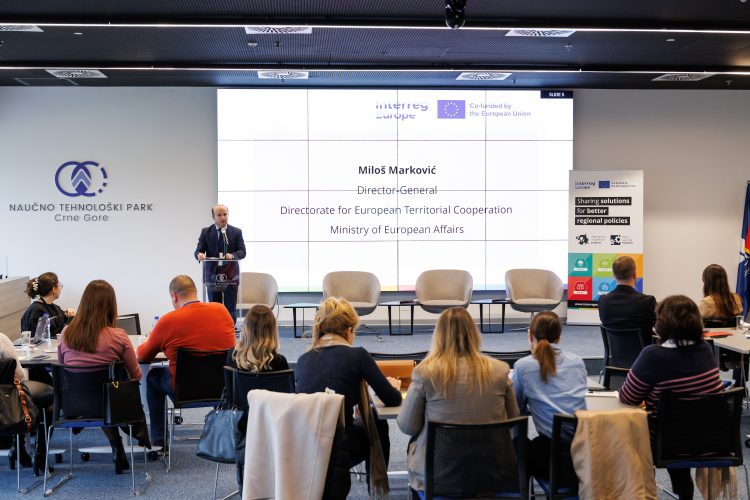
Marković emphasized that the workshop was a valuable opportunity to enhance knowledge and share experiences with partners from other countries, identifying models that could be applied in Montenegro. He noted that digitalization is a key public policy priority and an essential component of Montenegro’s path to full EU integration.
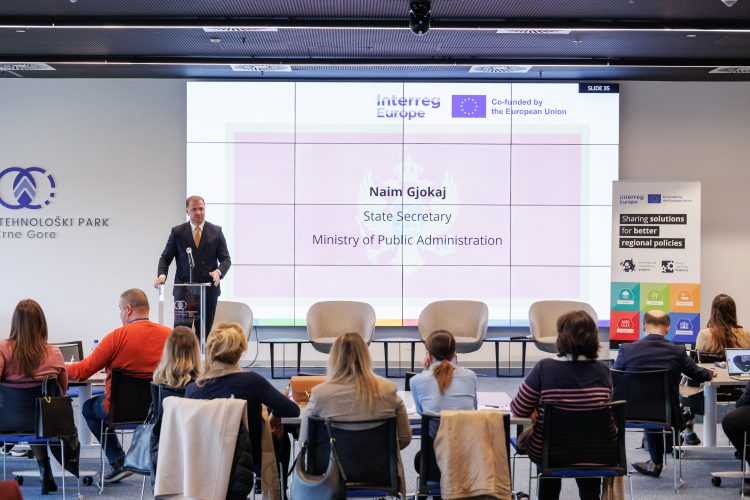
Naim Gjokaj, State Secretary at the Ministry of Public Administration, presented national policies and progress in digital transformation, highlighting that digital interoperability is not just a technical concept but the foundation of a modern and efficient public administration. It enables better services for citizens and businesses, reduces administrative barriers, speeds up processes, increases transparency, and builds public trust in institutions.
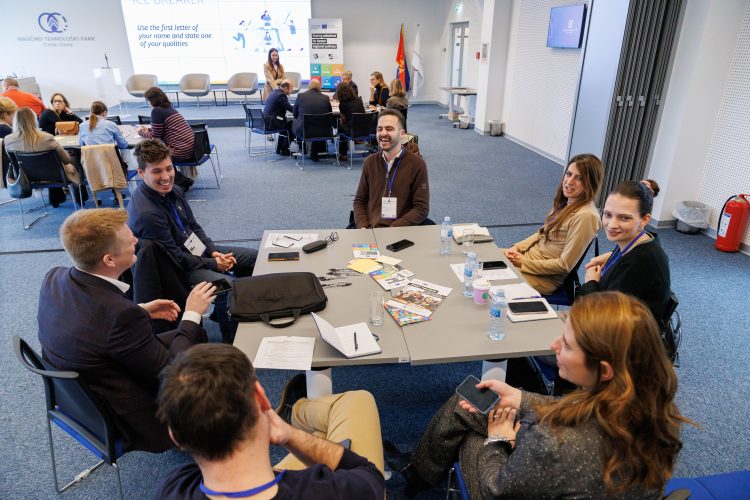
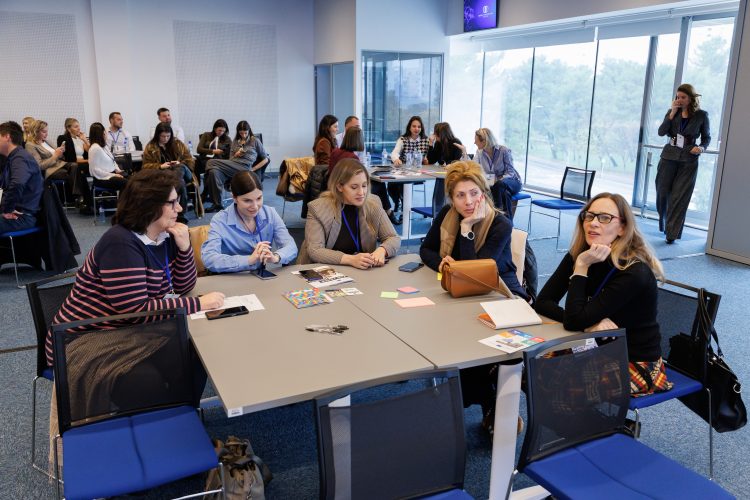
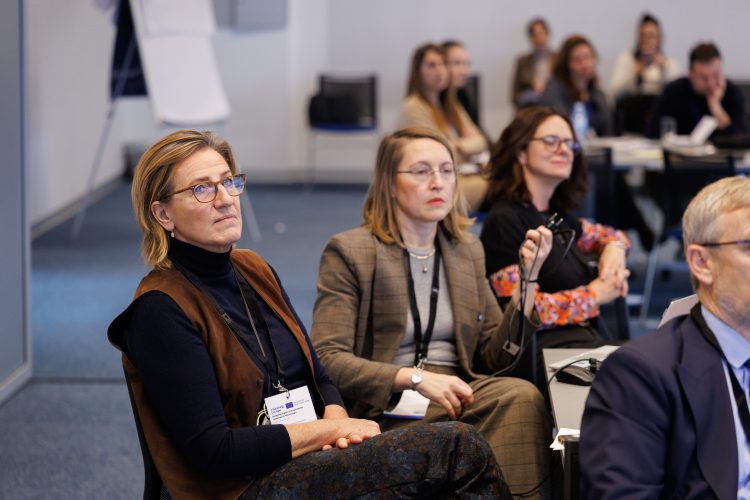
The workshop gathered policymakers and decision-makers from both the public and private sectors. Participants were introduced to good practices from experts from France, Belgium, and Ukraine. Interactive sessions analyzed key steps in shaping the digital agenda — from identifying needs, developing infrastructure and digital tools, to creating sustainable interoperable solutions.
Gvenel Kosta-Le-Vajan, Head of Digitalization, Innovation, and Smart Region for Île-de-France, discussed setting interoperability priorities at the regional level, including practical methods and institutional challenges.
Mirej Duren, Project Manager from the Ministry of the Federation Wallonia–Brussels, presented the Pix tool, used to assess digital skills and guide data-driven policy planning.
Orina Klivak and Sofia Petkova, AI project coordinators from the Ministry of Digital Transformation of Ukraine, shared experiences in implementing interoperability at the national level, covering implementation models, governance structures, technical solutions, and lessons learned from accelerated reform processes.

The workshop concluded with the message that digital transformation should remain human-centered and sustainable, ensuring digital systems are efficient, connected, inclusive, adaptable, and ready for the society’s future needs.