





Health is not only the absence of disease, but also the feeling of security that the system will be there when it is needed most. That is why investments in healthcare are not just numbers and projects, but real changes that are felt every day—in better treatment conditions, faster diagnostics, and patients’ trust in a system that protects what we value most.
Until recently, the treatment of patients with infectious and dermatovenerological diseases in Montenegro took place in an environment that many today remember with discomfort, describing it as inadequate space and difficult work organization. It was clear that the system required change that would ensure more dignified conditions for both patients and staff. With the construction of the Clinic for Infectious Diseases and the Clinic for Dermatovenerology, largely financed through EU IPA funds, an important step toward a more modern healthcare system has been made.
“Every citizen of Montenegro is aware of the conditions under which healthcare workers and patients previously received services in these two areas, so we now have a modern facility of over 4,300 square meters and two new clinics. The total value of the project was 10.1 million euros, of which the European Union invested 8.5 million euros. This is a good example of European integration in terms of investment in Montenegro’s healthcare system,” said Amra Pepić, Director General of the Directorate for IPA and other projects and healthcare infrastructure.
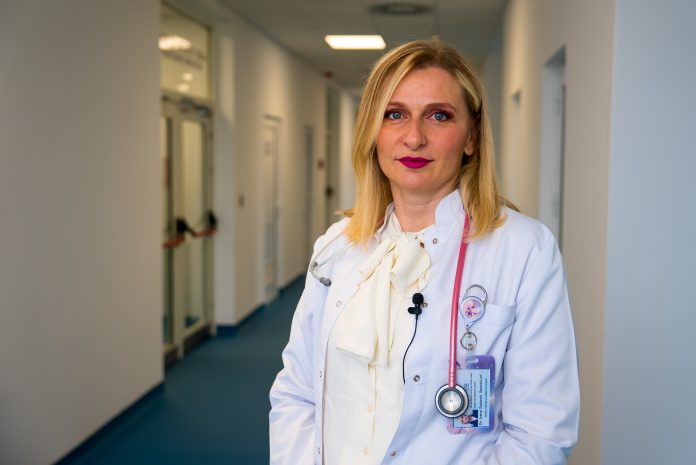
In the new facility, the Clinic for Infectious Diseases has 46 hospital beds distributed across six departments, along with a day hospital with five beds. In 2025 alone, 8,842 examinations were performed, while 658 patients were hospitalized—with no waiting lists.
A special advancement is the modern intensive care unit, which is part of the clinic for the first time, thereby relieving pressure on the Clinical Center. The new infrastructure has also brought greater security in responding to crisis situations. “You can see for yourself what kind of building we now have with modern working conditions. We are now much better prepared than we were during the COVID-19 epidemic,” said clinic director Ivana Đuković Savović.
However, the nature of infectious diseases is unpredictable, and few people can avoid them. “During winter, respiratory infections with pneumonia predominate, usually influenza and COVID, while in summer intestinal infections are most common. Throughout the year, we also treat sepsis, brain and meninges inflammation, viral hepatitis, HIV, as well as other viral diseases,” Đuković Savović explained, emphasizing that prevention is key—from personal hygiene and proper nutrition to vaccination.
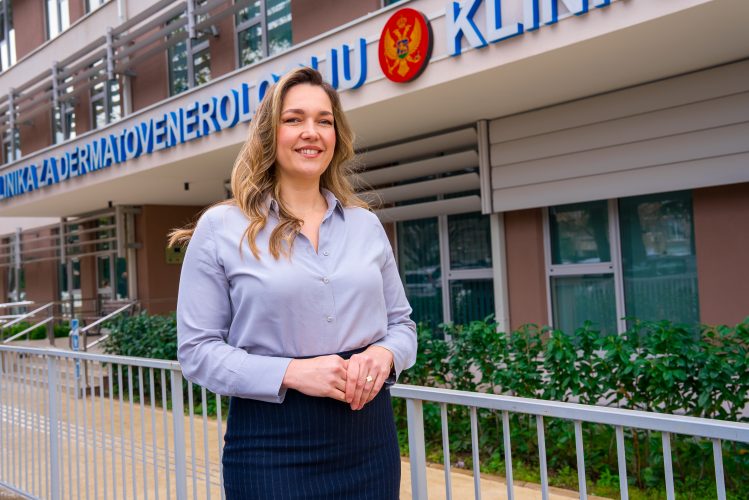
In the same building, but facing different challenges, is the Clinic for Dermatovenerology. Until the construction of the new facility, it operated in rather inadequate premises in Kruševac Park. “From February 2012, due to severe weather conditions that affected Podgorica at the time, we were relocated to the Eye Diseases Clinic, where we had only two hospital rooms, while outpatient clinics were located outside the main building,” recalls Dr. Marina Đaletić, Director of the Clinic for Dermatovenerology.
As she explains, today patients receive services in one place, in a functional space adapted for persons with disabilities, with 32 hospital beds in the inpatient section.

What has not changed is the complexity of the field itself. Dermatology is the medical branch with the highest number of diagnoses—more than 3,000 different diseases and conditions of the skin, mucous membranes, nails, and hair. Around 100 patients are examined daily in the clinic’s outpatient departments.
“In children, atopic dermatitis is dominant, with increasing prevalence, while in adults the most common are eczema, keratinization disorders, and skin infections. Special focus is placed on the prevention of malignant diseases, because even a single sunburn in childhood doubles the risk of developing melanoma,” Đaletić warns, emphasizing the importance of timely diagnosis.
European Union support does not stop at building clinics—the Ministry of Health has already planned new investments through the IPA III program for improving ‘baby friendly’ infrastructure in maternity wards, while a loan of 83 million euros has been signed with the Council of Europe Development Bank for the construction of a general hospital in Pljevlja, a health center in City Quarter, and a hematology clinic with a PCT center. At the same time, procedures are underway for an agreement with the European Investment Bank worth 27 to 32 million euros for the procurement of modern medical equipment. On the occasion of World Health Day, April 7, it is important to highlight the importance of accessible and quality healthcare for all, as well as the need for continuous improvement of the system to meet the needs of citizens.