




Strengthening the administrative capacities of local self-government units remains one of the greatest challenges for both central and local authorities, as 70 percent of European legislation is implemented at the local level, and the majority of key investments required to meet European obligations are carried out in municipalities.
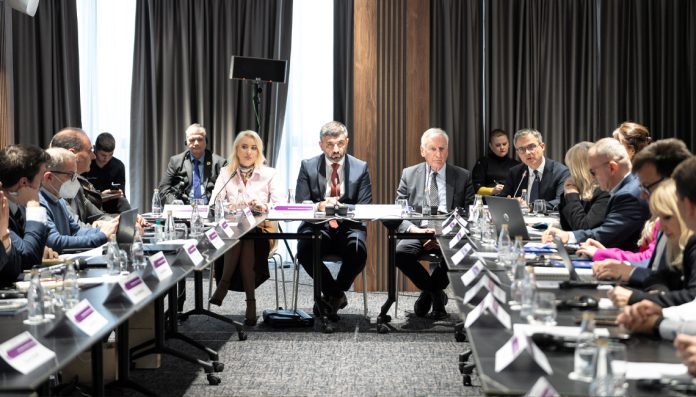
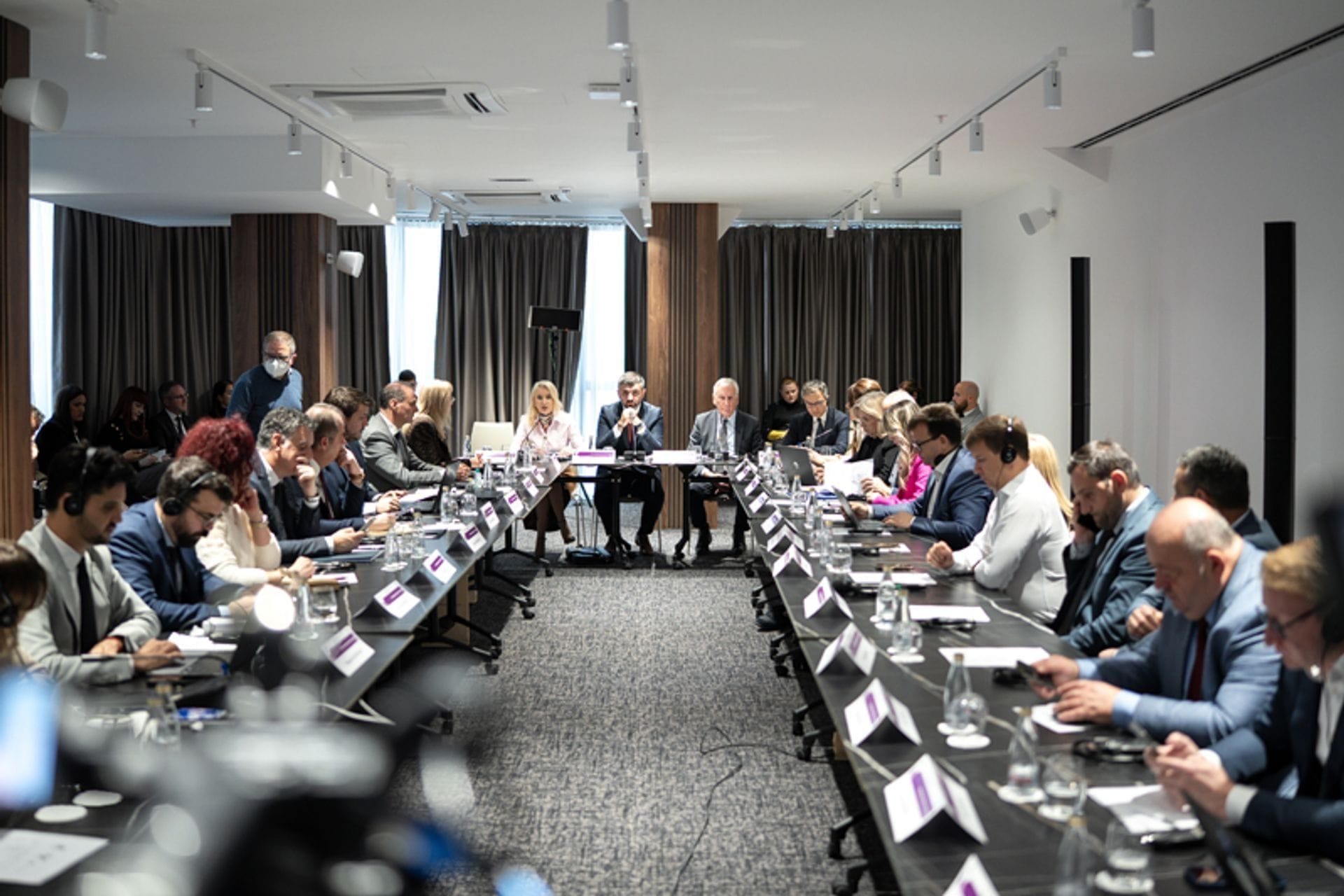
This was assessed during the 23rd session of the Joint Consultative Committee of the EU Committee of the Regions and Montenegro, held in Žabljak.
Minister of European Affairs Maida Gorčević stated that Montenegro is a frontrunner in the European integration process during the session titled The Accession Process of Montenegro to the European Union from the Perspective of the Local Level.
“This month, an Intergovernmental Conference will be organized, at which the closure of five additional chapters is expected. We are sending a message that we are not slowing down when it comes to fulfilling an ambitious agenda and closing all negotiating chapters by the end of 2026,” said Gorčević.
She emphasized that many obligations and challenges still lie ahead and that it is necessary to improve communication between the central level of government and local self-governments.
“While closing negotiating chapters, we want to include absolutely all stakeholders— all local self-governments, citizens, the non-governmental sector, the academic community, and all political parties— in this process. That is why I must say that so far, as the Ministry of European Affairs, we have had the outstretched hand of absolutely all actors and social stakeholders within Montenegro, so that we can meet everything that is expected of us,” Gorčević said.
She invited representatives of local self-governments to participate more actively in discussions and to engage in dialogue about where the Government and the Ministry can provide support.
“During my mandate so far, I have visited a large number of municipalities, and I plan to visit all of them by the end of my term, so that we can consider improving the use of EU funds,” the Minister said.
Bernard Brunet, Head of the Cooperation Section at the Delegation of the European Union to Montenegro, emphasized that the coming period requires full commitment from all institutions, as well as from society as a whole, because the key and most demanding reforms are still ahead.
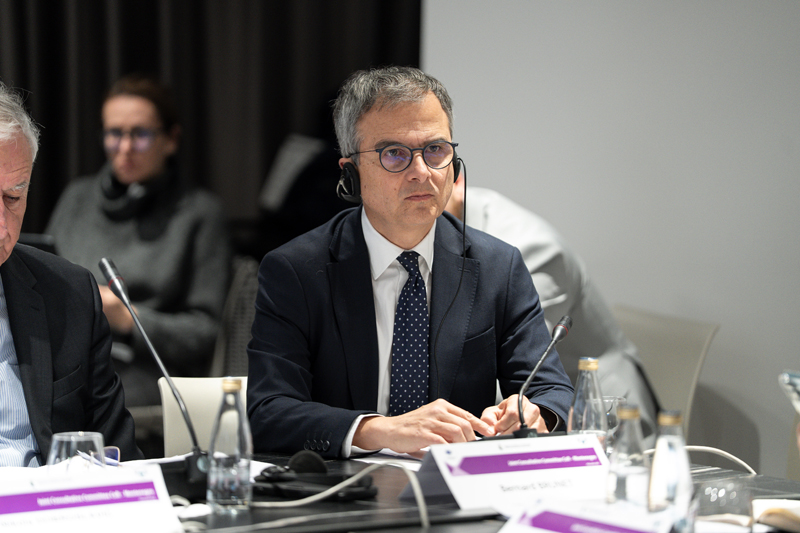
“This is a joint effort— of both central and local institutions, and of society as a whole. A large part of European legislation is implemented precisely at the local level, particularly in the areas of environment, infrastructure, air quality, and public utilities,” Brunet stressed.
He recalled that most of the investments necessary to meet European obligations— from wastewater treatment plants, sewerage and water supply networks, to environmental standards— are implemented precisely in municipalities.
“If there is no clear commitment and readiness to implement these investments, we risk future problems, including potential breaches of European legislation after accession,” Brunet warned, adding that it is therefore essential to demonstrate determination to meet obligations already in the pre-accession phase.
Brunet also emphasized that the investment needs of local self-governments are significantly greater than their fiscal capacities, which is why the EU is already working on mobilizing additional resources, from European Commission funds as well as from international financial institutions.
He also recalled that the 27 EU Member States in Brussels are finalizing preparations for the Intergovernmental Conference at which five negotiating chapters are expected to be closed, representing “a strong signal that Montenegro’s European perspective is rapidly approaching.”
As he said, Montenegro’s accession to the EU will require even stronger coordination between central and local authorities, as the new EU cohesion policy will require the preparation of national and regional development plans in close cooperation with municipalities.
“This process should start now. When Montenegro becomes a member, it will be ready to present development plans and to access far larger funds than those available today,” Brunet said.
He concluded that the EU remains a committed partner to Montenegro throughout all stages of accession and will continue to strongly support the development of local communities and infrastructure projects across the country.
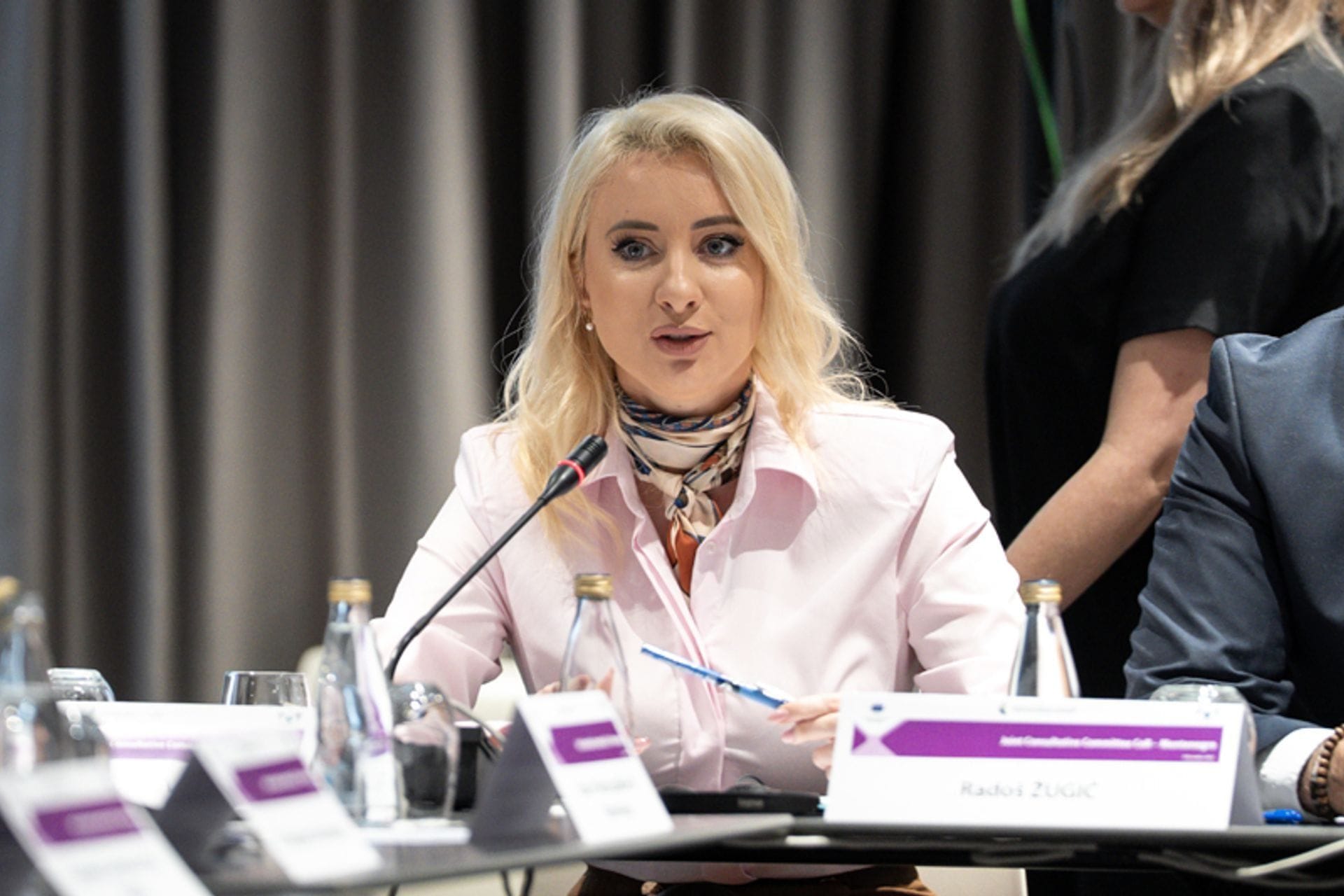
Radoš Žugić, President of the Municipality of Žabljak and President of the Board of the Union of Municipalities of Montenegro, emphasized that local self-governments play a key role in Montenegro’s European integration and are ready to be a reliable and constructive partner in the EU accession process.
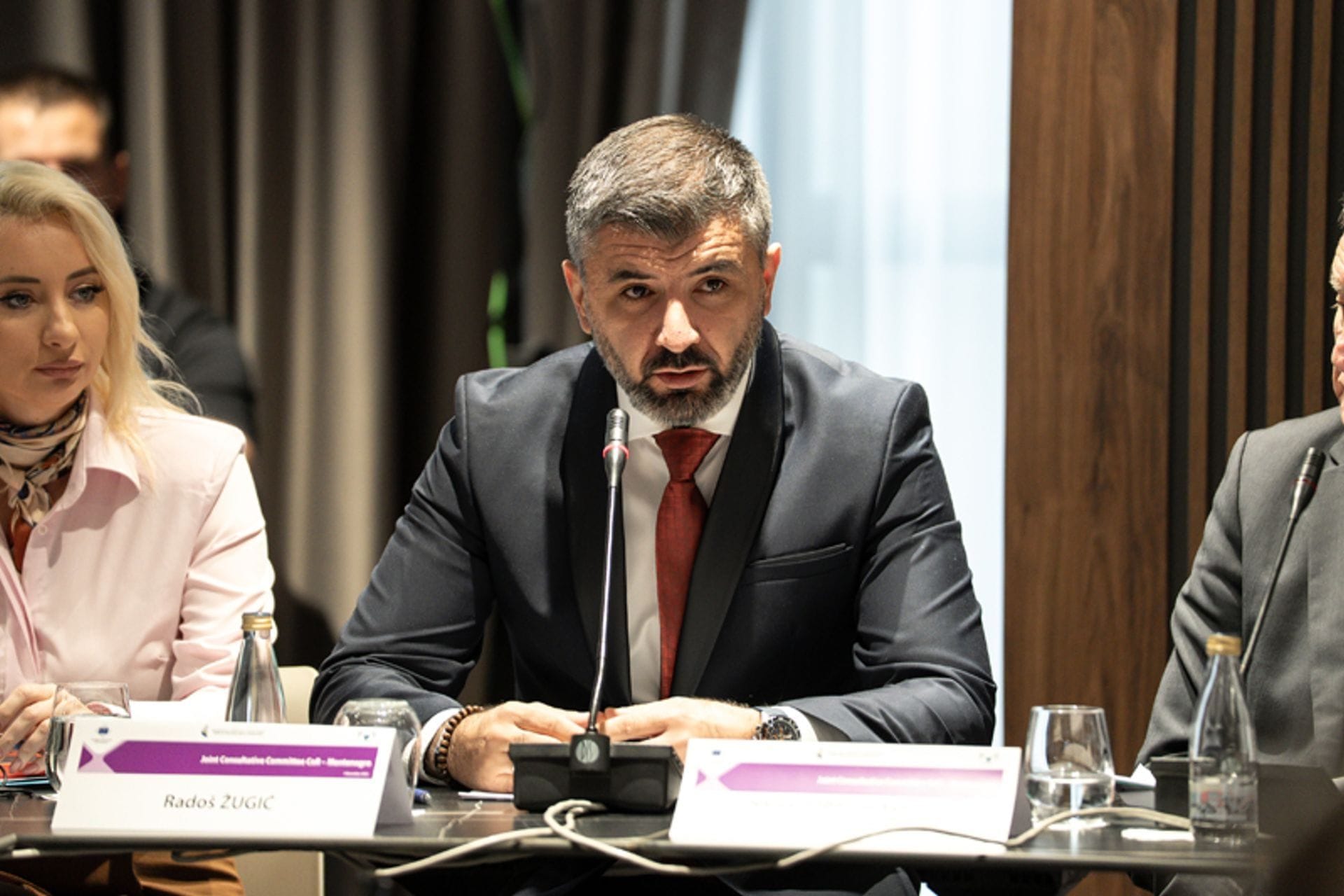
“Montenegrin municipalities are ready to be constructive, responsible, and fully involved in fulfilling European obligations. Our task is clear— to apply European standards where life truly takes place, in our communities,” Žugić said.
He stressed that the majority of the work related to alignment with EU rules takes place precisely at the local level.
“Two-thirds of the European acquis is implemented at the municipal level. Therefore, local self-governments must have a strong role in creating and implementing policies that lead us toward full membership,” Žugić said.
He emphasized that Žabljak and all Montenegrin municipalities are already demonstrating their ability to use European funds, particularly in the areas of environment, infrastructure, sustainable tourism, and digitalization.
“At the local level, the benefits of the European path are most visible through projects, investments, improved communal infrastructure, and a higher quality of life for our citizens. We will continue to be an active partner to the Government and the EU Delegation in all upcoming phases. I assure you that, as a Board and as local self-governments, we will remain strongly committed to this process, in full cooperation with the Committee of the Regions of the European Union,” Žugić concluded.
The President of the Assembly of the Union of Municipalities of Montenegro and President of the Assembly of the Capital City, Jelena Borovinić Bojović, announced that in the previous period the Podgorica parliament adopted a decision to establish a Center for Sustainable Development, “a strategic institution that will improve the use of EU funds and strengthen cooperation between civil society, the non-governmental sector, and the administration of the Capital City.”
“The idea of the Center is to enable better utilization of IPA and other European funds through joint action by institutions and civil society. We will very soon witness its opening,” Borovinić Bojović emphasized.
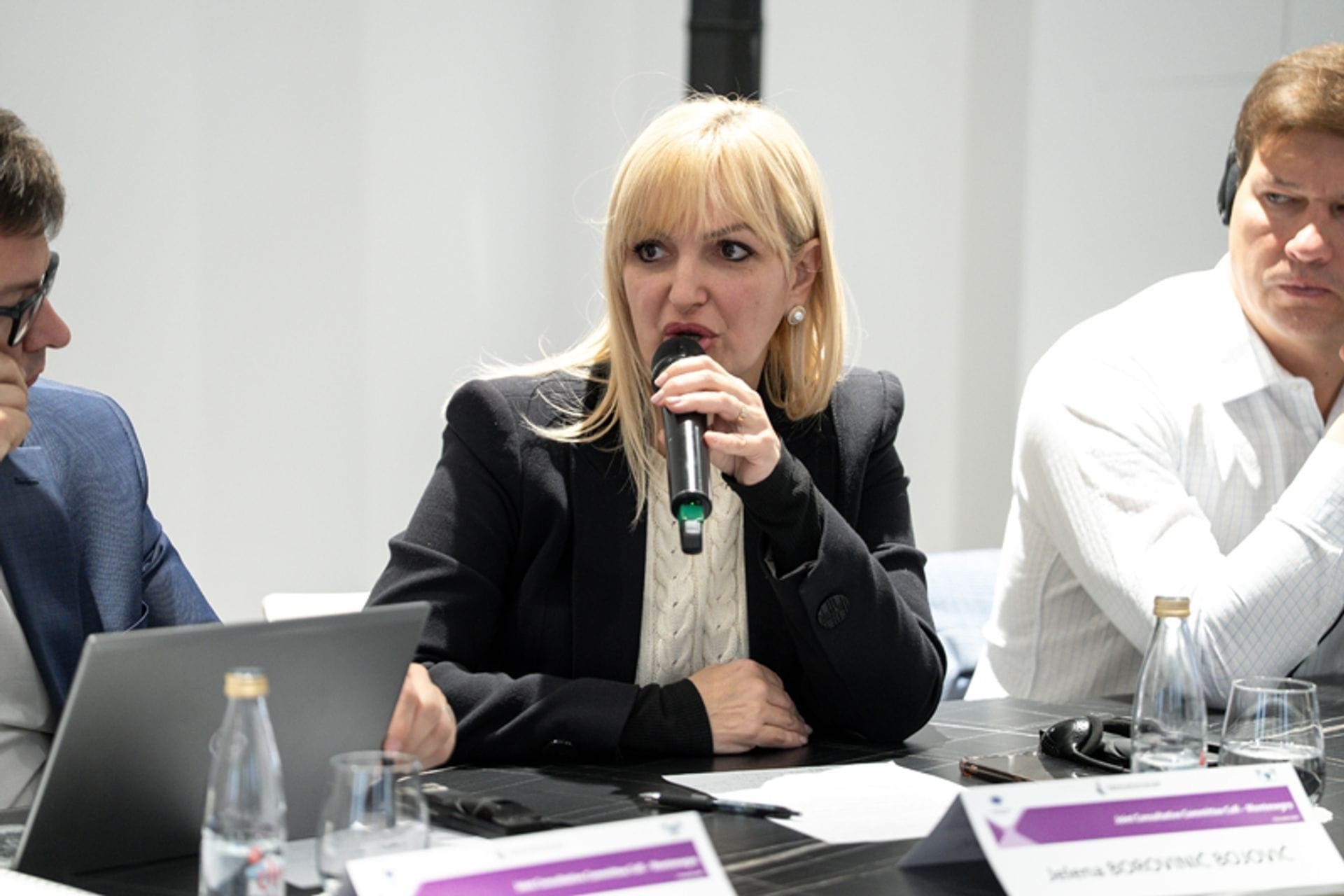
The Center will focus on projects in the fields of energy efficiency, green transition, waste management, protection of vulnerable groups, and sustainable development— topics that are of key importance not only for Podgorica, but for Montenegro as a whole.
The President recalled that Podgorica has launched a major reform process through the revitalization of local communities, following successful models from the region.
“We introduced the direct election of local community councils and council presidents through citizens’ assemblies. In this way, we made a step forward toward greater transparency and direct democracy,” she emphasized.
Speaking about one of the most significant achievements of the Capital City, she recalled that Podgorica will be the European Youth Capital in 2028.
“This project has a national character, and we are proud of the excellent cooperation with the Government, local self-governments across Montenegro, and the non-governmental sector. We succeeded in winning this prestigious title and are now entering a three-year implementation period of activities that will present Podgorica in the best possible light,” Borovinić Bojović said.
“The European Youth Capital 2028 will be a project that transforms our city, opens space for innovation, youth participation, and European values in the way Podgorica deserves,” Borovinić Bojović concluded.
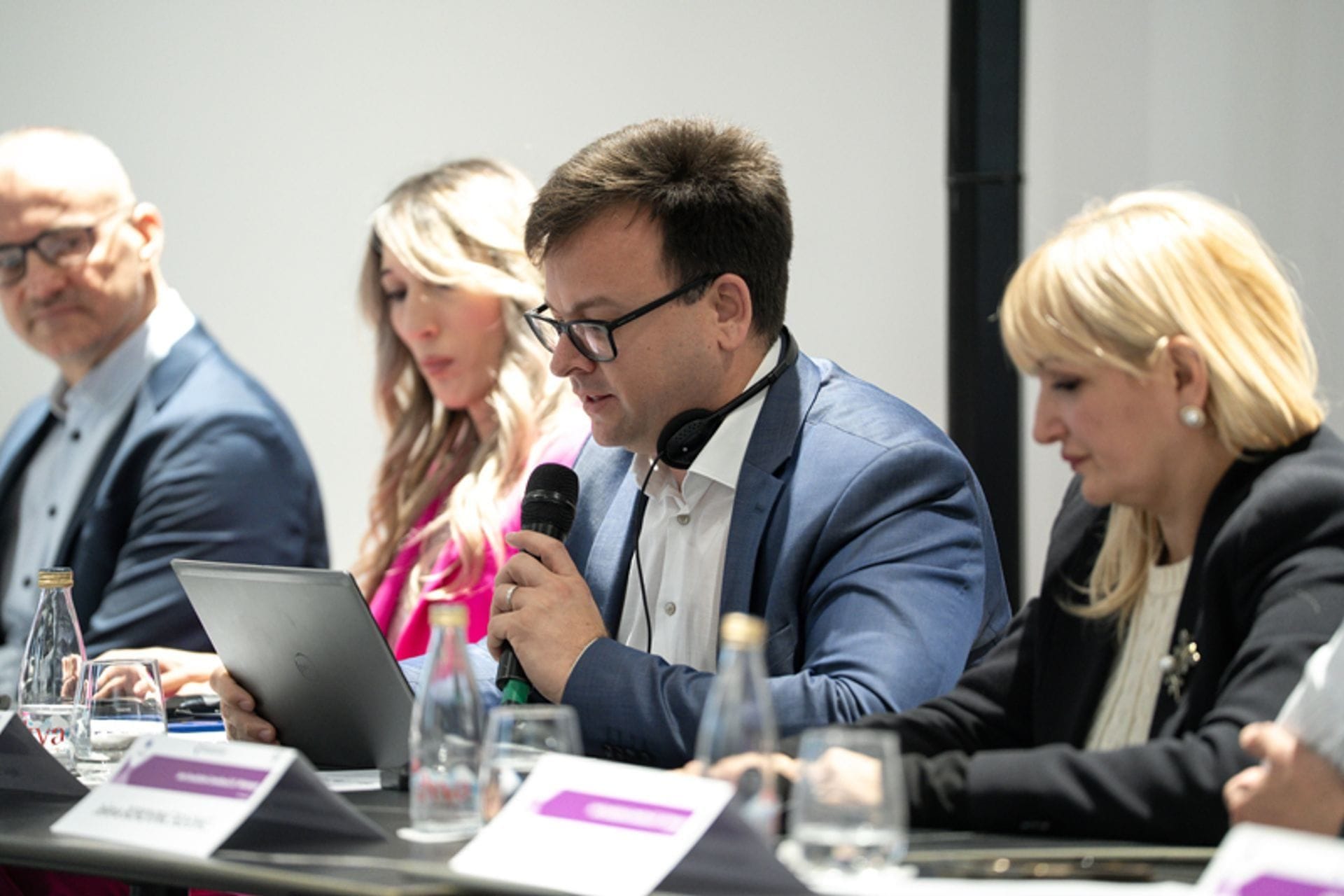
The meeting continued with a second thematic session dedicated to the EU Growth Plan for the Western Balkans – opportunities for local communities in Montenegro, with the participation of Dr. Gordana Đurović, President of the Montenegrin Pan-European Union and Co-Chair of the Joint Consultative Committee between the EESC and Montenegro; Dr. Bernd Christoph Ströhm, postdoctoral researcher and lecturer at the Vienna School of International Studies and the Vienna Institute for International Economic Studies (WIIW); Dr. Nenad Koprivica, Center for Democracy and Human Rights (CEDEM), Podgorica; and Žana Jovanović, Head of the Unit for National Funds and Reform Agenda, EU Funds Management Structure, Ministry of Finance of Montenegro.
PR Center