




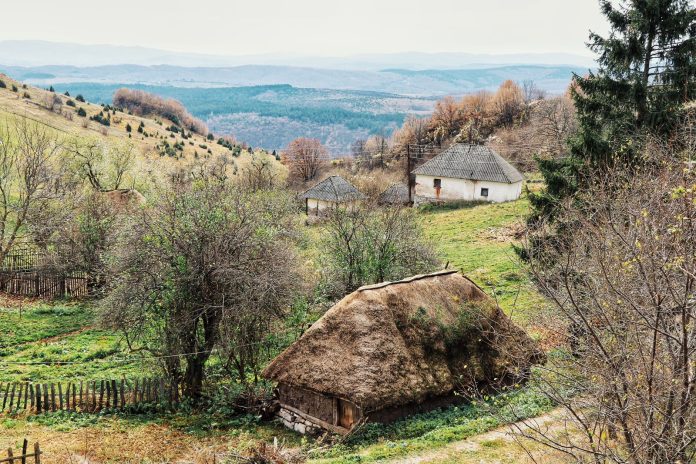

Instead of classical tourism based on visiting destinations, more and more travelers today are looking for authentic experiences in nature. It is precisely this approach that lies at the core of the Hoo project, which brings a new story to Montenegro and the region.
The northeastern part of Montenegro and the border region with Serbia hide exceptionally rich biodiversity, but they have long remained outside the main tourist flows. It was precisely from the need to recognize and valorize this potential that the Hoo project was created—an initiative that connects nature protection and the development of sustainable tourism through unique experiences.
The Hoo project “Creation of Owl and Other Wildlife Experiences” was implemented by the Center for Protection and Research of Birds (CZIP), in partnership with NGO North Land from Berane, the Regional Tourism Organization Sandžak, and the association Jadovnik – Oasis of Untouched Nature from Serbia, with financial support from the European Union through the IPA cross-border cooperation program Serbia – Montenegro 2014–2020.
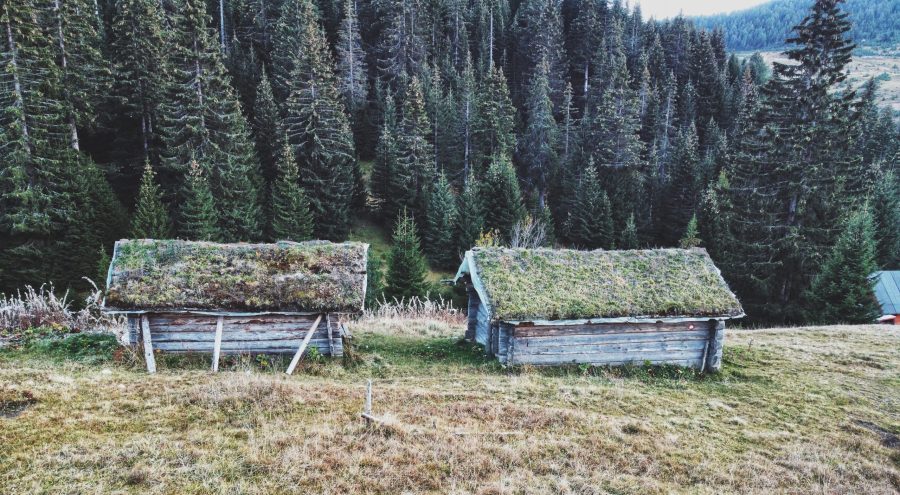
The focus of the project is the development of a tourism offer based on wildlife watching, united under the brand “Hoo Trails Experience.”
“The concept of Hoo Trails Experience represents a new tourism brand based on thematic trails and nature experiences, through which visitors can get to know the biodiversity of the region, especially birds such as owls, eagles, and other wild species,” explains Jovana Janjušević, Director of the Center for Protection and Research of Birds.
This approach meets the needs of modern tourists who increasingly seek experiences rather than just destinations.
“Through these routes, visitors can experience wildlife observation in their natural habitat, guided tours through forests and mountains, as well as learn about local culture and rural lifestyles,” Janjušević adds.
The development of the project stemmed from the concrete need to better utilize the potential of this region.
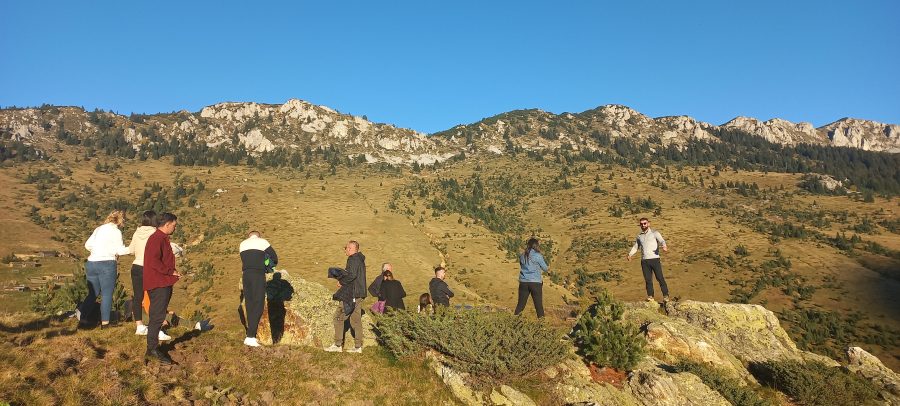
“The northeastern part of Montenegro and the border region with Serbia have extremely rich natural heritage, but tourism infrastructure was poorly developed. The goal was to recognize and develop this potential through sustainable tourism,” she notes.
This type of tourism is already developed in countries such as Spain, Italy, Romania, and Slovenia, and the region now has the opportunity to follow these trends and develop its own authentic offer.
Through the project, a tourism model was developed that does not harm nature but places it at the center of attention.
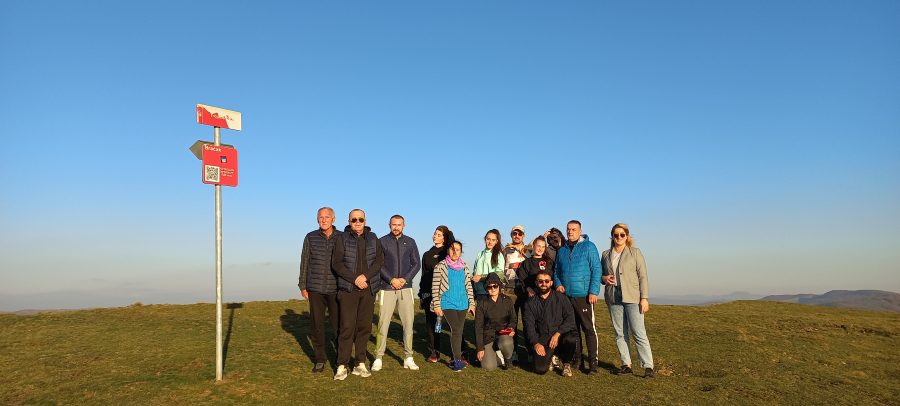
Trails for bird and wildlife watching were mapped and marked, nature interpretation programs were developed, guides were trained, and local tourism providers and rural households were involved. A special focus was placed on involving local communities, so that the benefits of tourism development remain in the region. In this way, tourism becomes a tool for biodiversity conservation and stimulation of local economic development.
The project results are already visible on the ground.
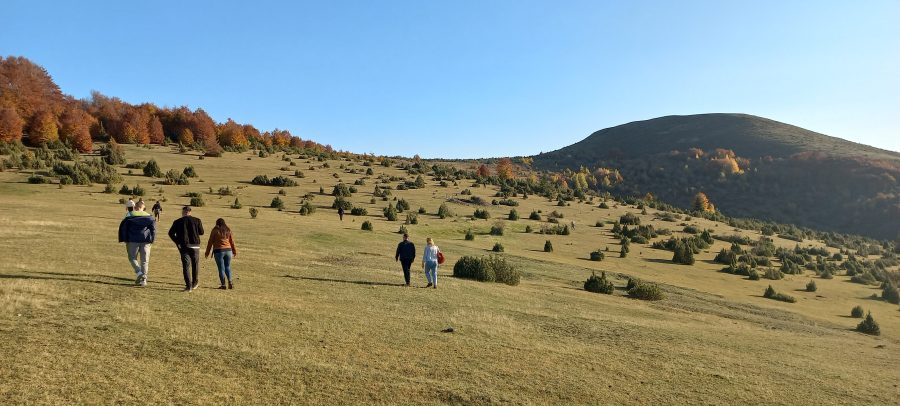
Among the most significant results are around 60 kilometers of marked birdwatching trails, two developed tourist itineraries, training for guides and local service providers, as well as the creation and promotion of the “Hoo Trails Experience” brand.
Additionally, events such as “Owl Nights” and exhibitions about wildlife were organized, and eight wildlife observation and photography hides were installed. These results have contributed to greater visibility of the region’s natural values and the creation of a new tourism offer.
A key role in project implementation was played by European Union support.
“EU support was crucial, enabling infrastructure development, training for guides and tourism providers, production of promotional materials, and strengthening cooperation between organizations and the tourism sector,” Janjušević emphasizes.
The project was financed through the IPA cross-border cooperation program, with a total budget of around 262,000 euros, of which the European Union provided around 85% of the funds.
The partnership approach was of particular importance, enabling the implementation of activities on both sides of the border.
“Partnership was one of the key elements of the project’s success. Each partner contributed through specific activities, from fieldwork and trail development to education and promotion,” Janjušević explains.
As she adds, local organizations play a particularly important role in connecting the project with the community.
“Local NGOs represent a bridge that connects us with people on the ground and enables direct work with communities, while also strengthening their own capacities for future projects.”
Although the results are already significant, this project represents only the beginning of the development of this type of tourism in the region.
“We have only scratched the surface of this important topic. Montenegro and the region have great potential, from birdwatching to other forms of wildlife tourism already developed in countries such as Spain, Italy, and Slovenia,” Janjušević notes.
Further development could include expanding the trail network, new tourism packages, and stronger promotion on the international market, with greater involvement of local communities.
The example of the Hoo project shows how important EU funds are for the development of sustainable tourism and the valorization of natural resources.
At the same time, such initiatives confirm that nature protection and economic development can go hand in hand, creating new value for local communities and authentic experiences for visitors.
Through projects like this, nature is not only a resource to be protected but becomes a space for experience, learning, and sustainable development—and an opportunity to discover the hidden secrets of the Balkans and its vibrant wildlife.