




While a large number of persons with disabilities, women, young people, and the long-term unemployed in Montenegro face difficulties finding work, a project funded by European Union funds has shown that the social economy can be a sustainable solution for both business and society.
Through the “Support Project for the Development of Sustainable Social Enterprises,” worth approximately €100,000, employment opportunities in social enterprises in Bar, Berane, Cetinje, and Herceg Novi were provided to people from categories of the population that face greater difficulties in finding employment. The project was successfully implemented from November 2023 to October 2025 by the Business Start Center Bar and Caritas Montenegro, with the support of the Ministry of Labour, Employment and Social Dialogue.
Although Montenegro still does not have a law on social entrepreneurship, this model has demonstrated how enterprises can simultaneously generate profit and create social benefits through the employment of those who have the greatest difficulty accessing jobs.
As part of the project, training was organized for 30 participants, with a focus on improving knowledge, skills, and entrepreneurial capacities. Ten people completed a six-month work placement, while eight social enterprises received equipment to improve working conditions.
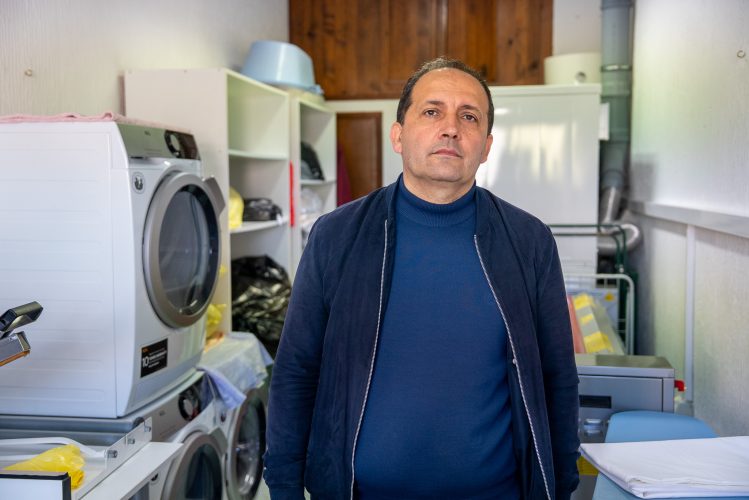
As Marko Đelović from Caritas Montenegro explains, the goal of the project was not only to promote social entrepreneurship but also to provide concrete support to those facing limited access to the labour market.
“Most of these people remained employed even after the completion of the project, which is precisely the purpose of creating a sustainable employment model for categories of the population that face greater difficulties in finding employment,” Đelović emphasized.
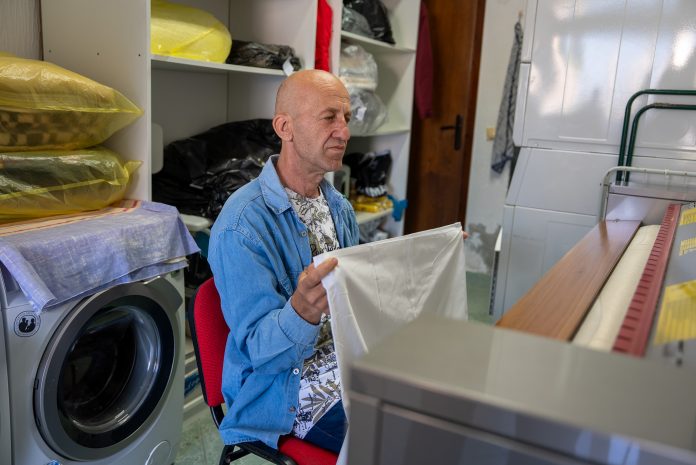
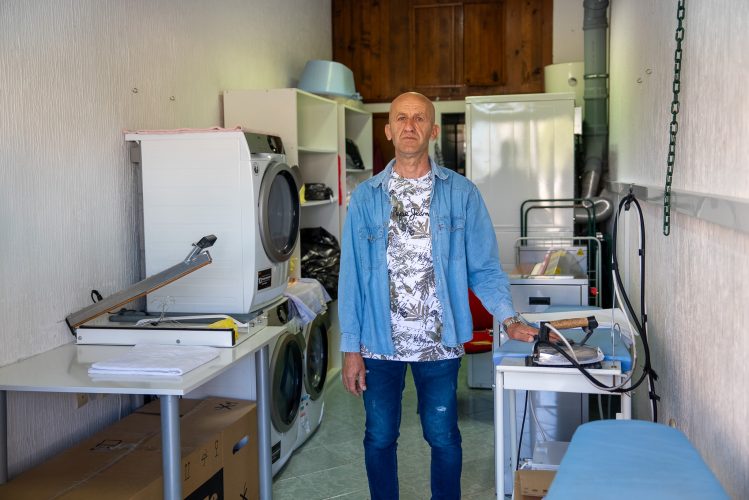
One example of a successful social enterprise is the Mondo Bianco laundry service in Bar, and a special part of the story is the experience of project beneficiary Nenad Ivanović, who is employed there.
“I view positively the fact that I got employed. We wash laundry, dry it, and iron it. That is a working day. At first it was difficult, but now it isn’t. I have gained experience. I would like to continue working,” said Ivanović.
Although the concept of social entrepreneurship in Montenegro is still developing, Đelović points out that there is potential for its growth, especially in the context of the absence of a specific legal framework.
“Social entrepreneurship is not only a matter of legislation, but also of the approach taken by legal entities themselves. It implies giving equal value to the economic activities of the enterprise and to social benefits,” Đelović states.
The Support Project for the Development of Social Enterprises has shown that sustainable employment models can function when social responsibility and economic sustainability are combined. Therefore, the social economy is not merely a European concept on paper, but an opportunity for those on the margins to gain a place in the labour market.